





In today’s busy world, finding peace of mind can feel difficult. Meditation is one of the simplest yet most powerful ways to calm thoughts, reduce stress, and improve focus. The best part is that you do not need any special equipment or experience to begin.
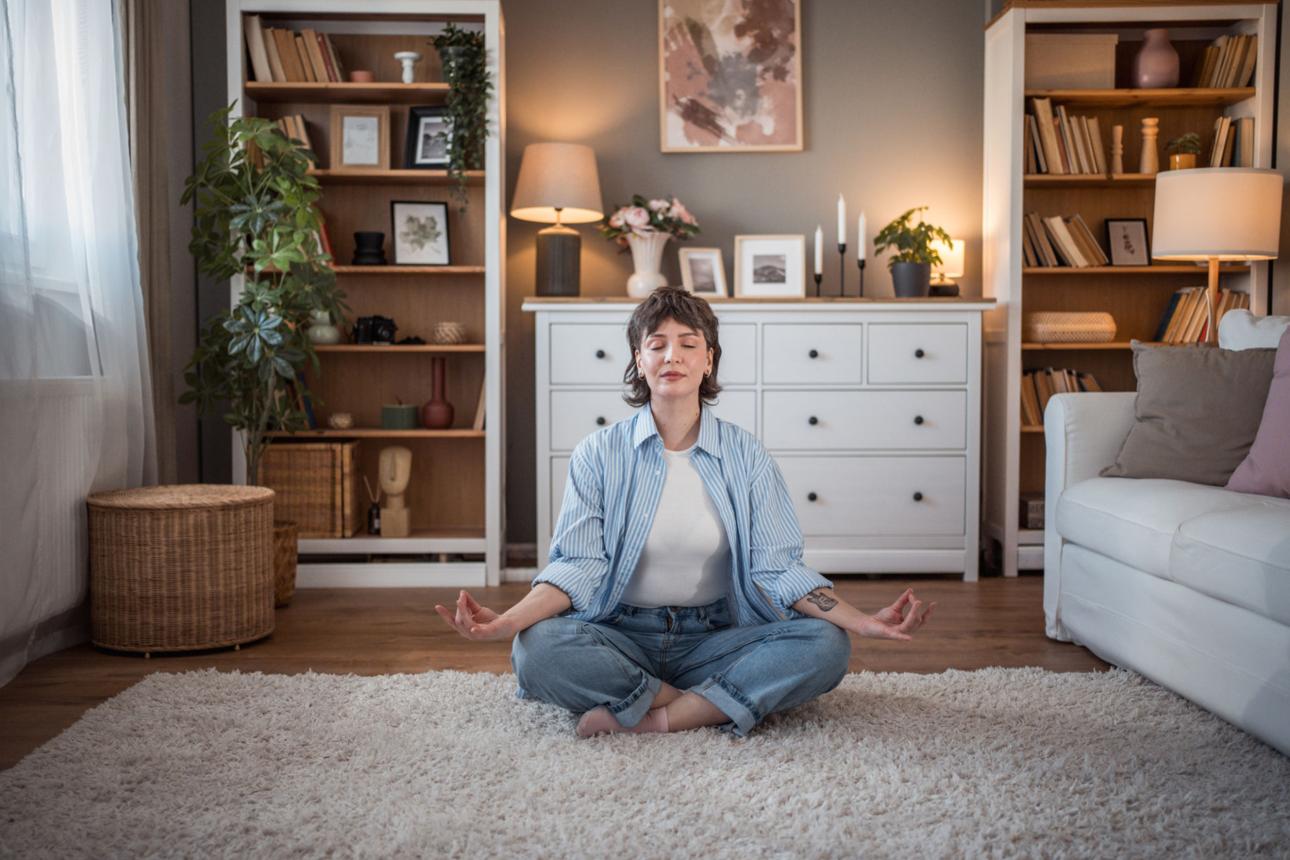
What you will learn
- How to begin with short sessions instead of long pressure-filled routines
- Why breath awareness is the easiest anchor for beginners
- How comfort, consistency, and a quiet space improve meditation
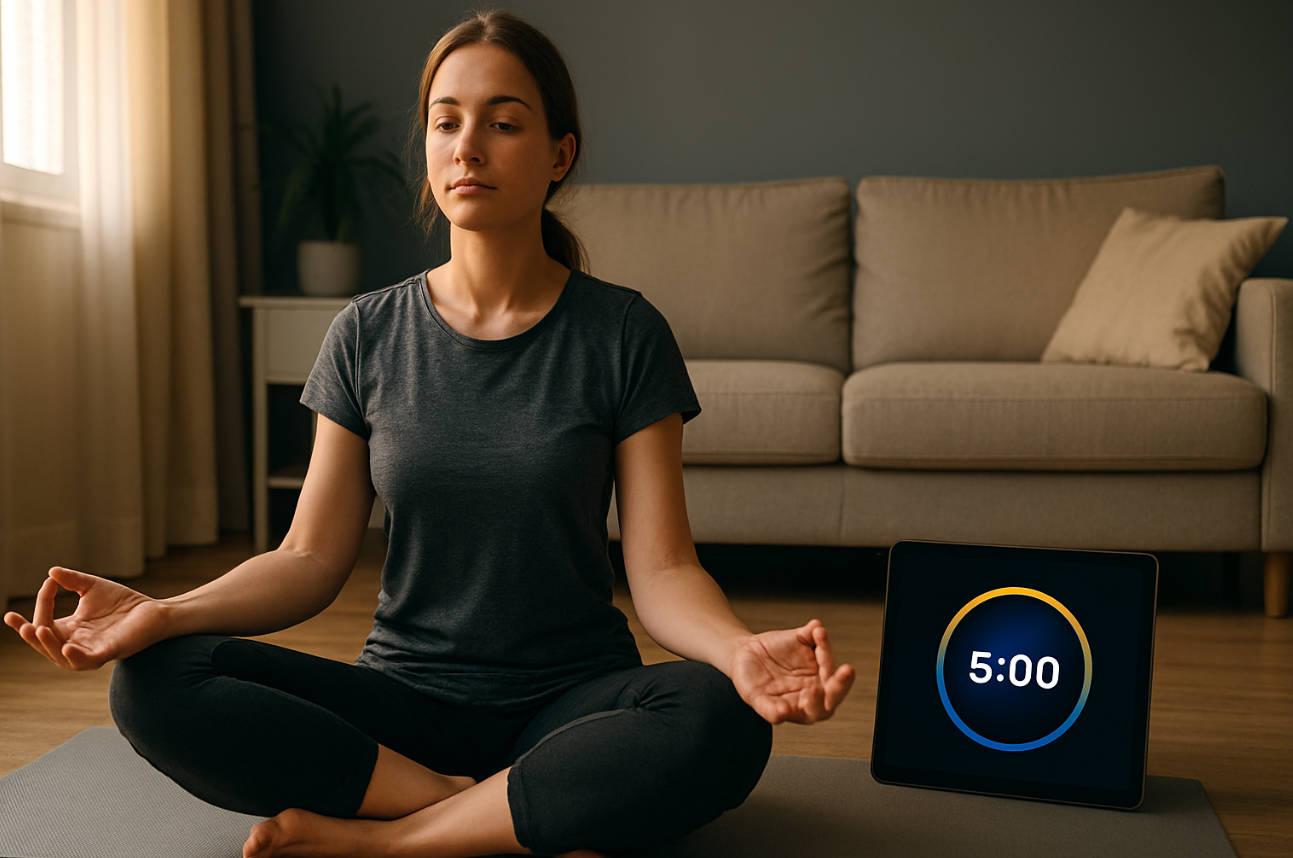
1. Start with Just 5–10 Minutes
Many beginners think meditation requires long sessions. That is not true. Start small with just five to ten minutes daily and increase gradually as you become comfortable. Consistency matters more than duration.
2. Focus on Your Breath
Your breath is your anchor in meditation. A simple way to begin is to inhale slowly through the nose, exhale gently, and keep attention on the rhythm of breathing. This kind of breath awareness is inspired by Pranayama, a powerful yogic breathing method.
Whenever the mind drifts, gently return focus to the breath instead of judging yourself.


3. Don’t Fight Your Thoughts
Beginners often feel they are failing because thoughts keep coming. But meditation is not about stopping thoughts completely. It is about observing them without reacting. Let thoughts come and go like clouds and return to the present moment.
4. Choose a Comfortable Position
You do not need to sit in a complicated posture. You can sit cross-legged, sit on a chair, or use a cushion. Keep your back straight but relaxed. Comfort supports focus and helps you stay with the practice longer.
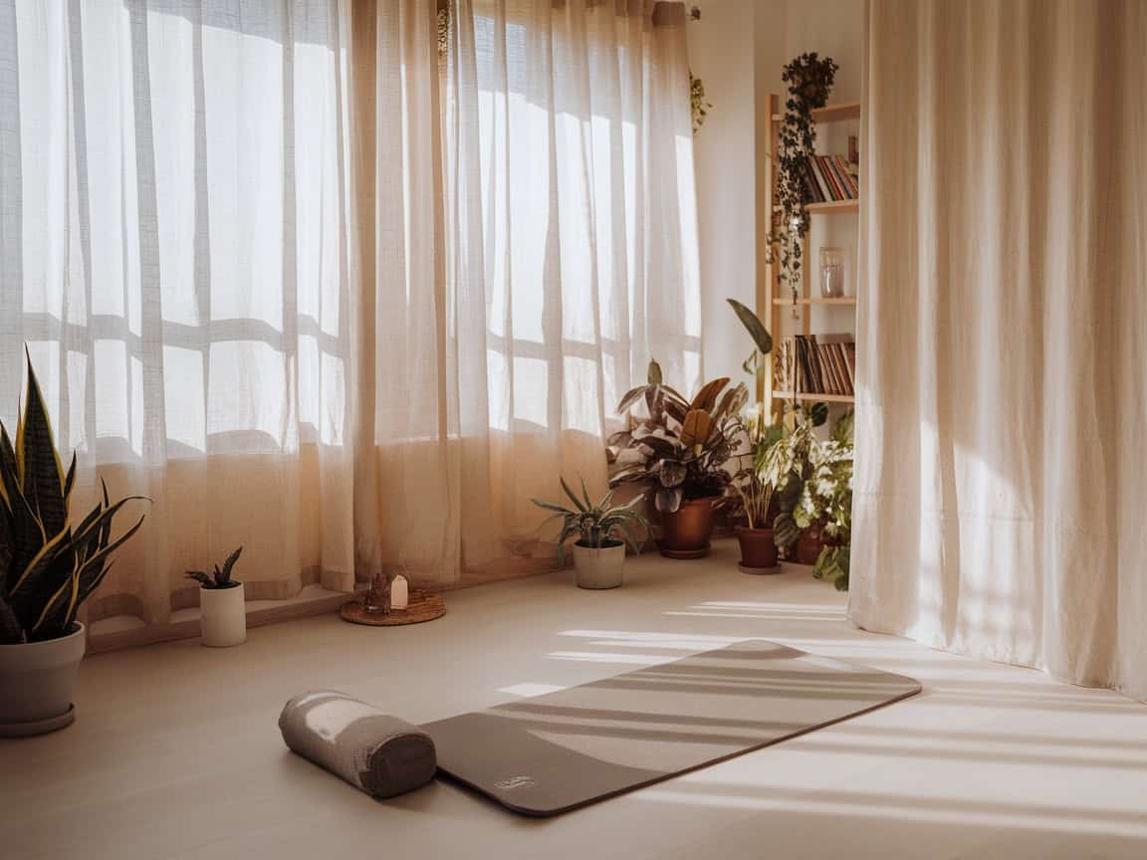
5. Create a Distraction-Free Space
Your environment plays a big role. Choose a quiet place, turn off notifications, and use soft lighting or natural light when possible. This signals the brain to relax and settle more quickly.
6. Make It a Daily Habit
Meditation works best when practiced regularly. Early morning is often ideal because the mind is fresh, but before sleep can also be calming and restorative. Even a few minutes daily can create lasting change.
Conclusion
Meditation is not about perfection. It is about presence. By starting small and staying consistent, you can reduce stress, improve focus, and feel calmer and more balanced. Just a few minutes each day can transform mental wellbeing over time.