





Modern life is fast, demanding, and often overwhelming. Long working hours, screen exposure, irregular sleep, and constant mental pressure have made stress, poor posture, and fatigue part of everyday routine. This is where yoga steps in, not just as exercise, but as a complete lifestyle support system.
What this article covers
- How yoga helps reduce daily stress and mental overload
- Why it improves posture for desk-bound and screen-heavy routines
- How flexibility and long-term wellness grow through simple consistency
1. Stress Management & Mental Clarity
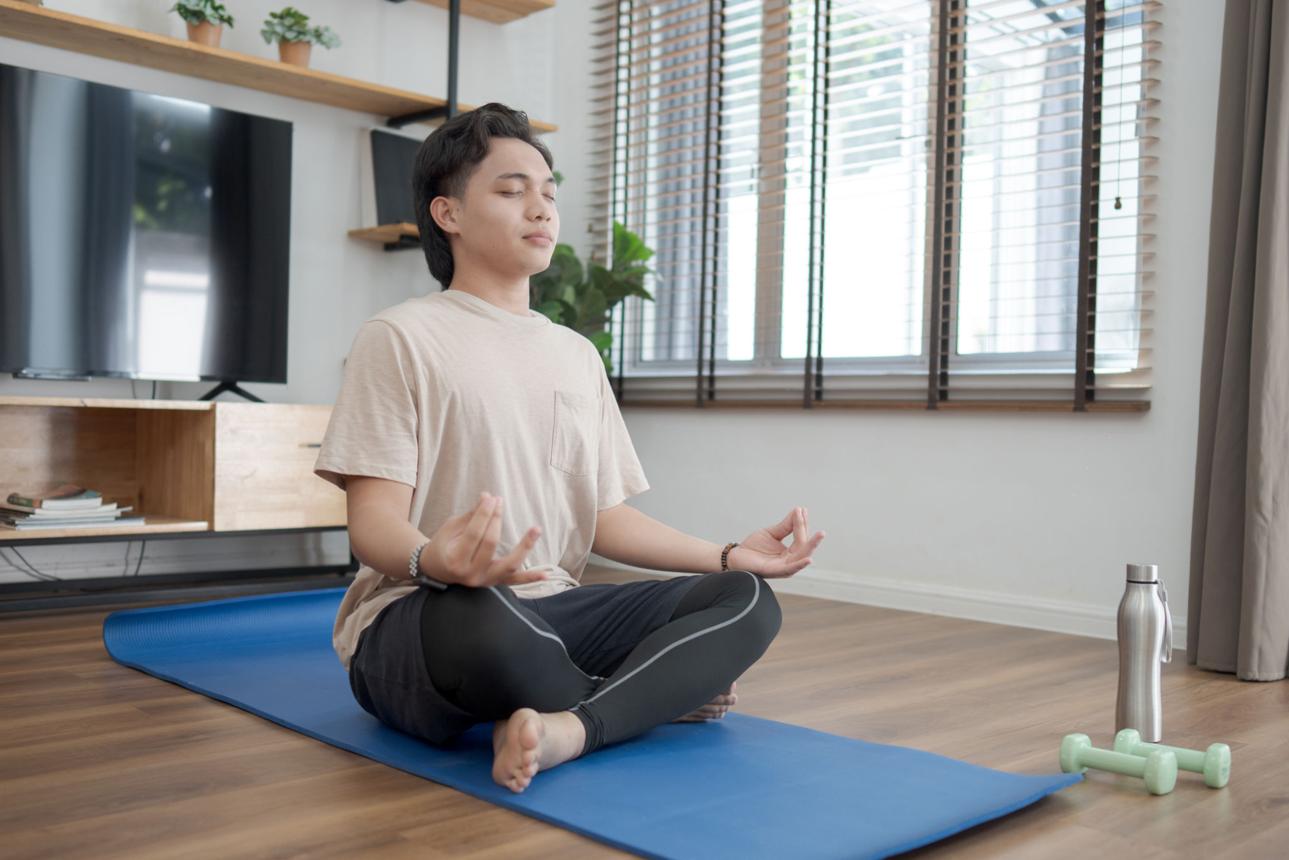
One of the most powerful benefits of yoga is its ability to calm the mind. Through breathing techniques like Pranayama and mindful meditation, yoga helps reduce cortisol, the body’s stress hormone.
In today’s world, where mental overload is common, even 10 to 15 minutes of daily practice can improve focus and clarity, reduce anxiety and overthinking, and enhance emotional stability. Yoga teaches you to slow down, something modern life rarely allows.
2. Correcting Posture & Reducing Body Pain
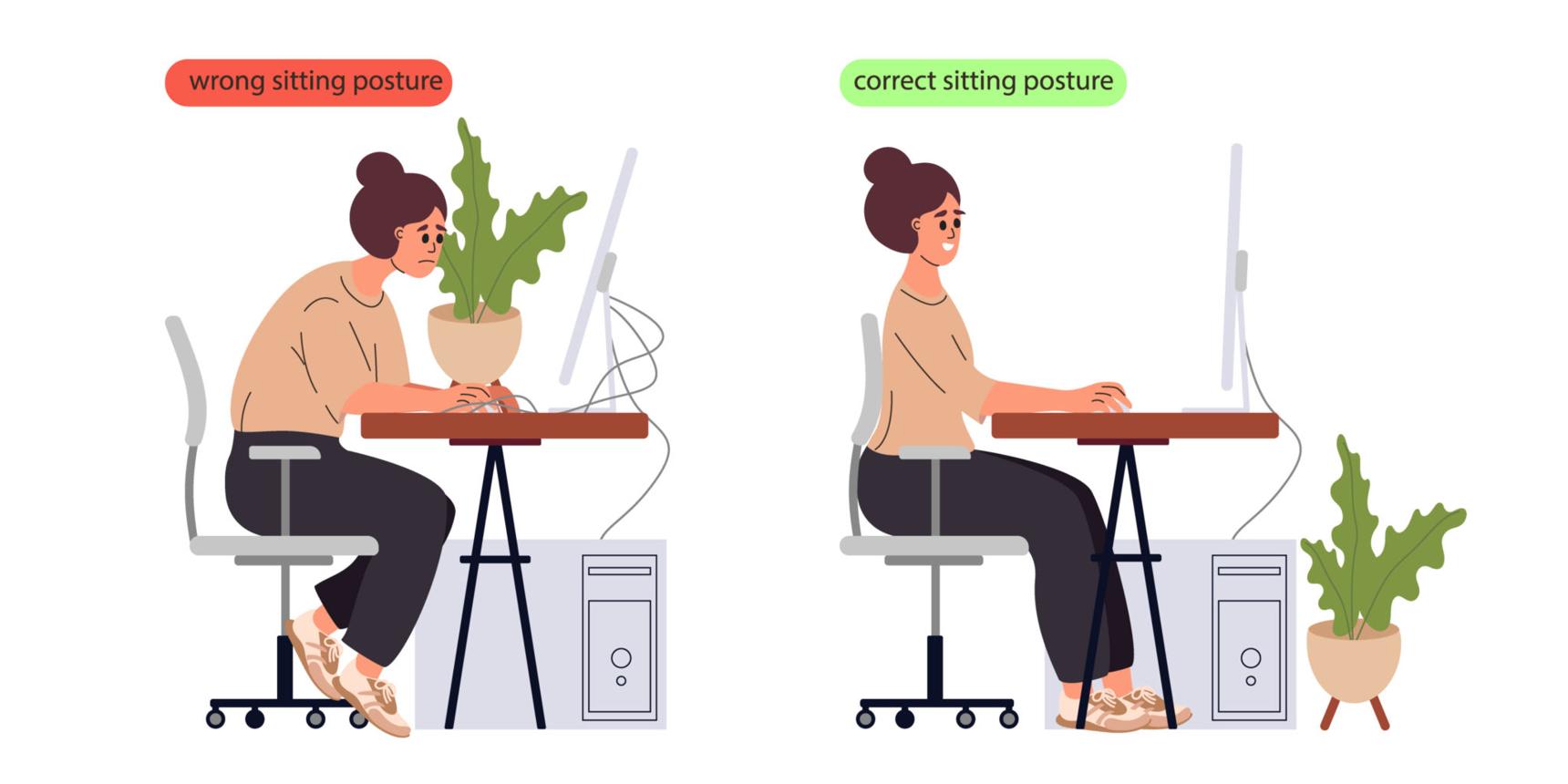
Sitting for long hours, whether in the office or at home, often leads to poor posture, back pain, shoulder tightness, and stiffness. Yoga helps realign the body and strengthens the muscles responsible for healthy posture.
- Bhujangasana or Cobra Pose gently opens the chest and spine.
- Cat-Cow Pose improves spinal mobility.
- Tadasana builds awareness of standing alignment.
These simple practices can help relieve lower back pain, improve spinal alignment, and reduce tension in the neck and shoulders. Over time, yoga trains your body to sit, stand, and move more correctly.



3. Flexibility & Mobility in a Sedentary Life
Modern lifestyles often limit movement. A lack of physical activity leads to stiffness and reduced mobility. Yoga gradually improves flexibility without placing excessive strain on the body.
Regular practice can increase joint mobility, reduce the risk of injuries, and improve body balance. Unlike intense workouts, yoga is gentle yet highly effective for long-term movement quality and comfort.
4. Long-Term Wellness & Disease Prevention
Yoga is not just about feeling better today. It supports overall wellness by helping the body and mind function in a more balanced way. With regular practice, yoga may contribute to better heart health, improved digestion, stronger immunity, and better sleep quality.
It can also play a helpful role in preventing common lifestyle-related conditions such as hypertension, diabetes, and obesity when practiced consistently as part of a healthy routine.
5. Work-Life Balance & Daily Energy
Yoga fits beautifully into busy schedules. Even a short routine can recharge body and mind. It helps you begin the day with more energy, stay productive without burnout, and unwind more peacefully after work.
Yoga brings balance to modern routines where stress, sitting, and constant pressure often disturb both physical and mental wellbeing.
Conclusion
Yoga is no longer only a traditional practice. It has become a modern necessity for many people navigating stress, poor posture, inactivity, and health concerns. By integrating yoga into daily life, you are not just exercising. You are investing in a healthier, calmer, and more balanced future.