



April 2025Journey Start
Within 3 monthsObserved Progress
HolisticYoga, breathwork & meditation
Timeline
Carefully structured progress journey.
1
Health concerns identified
2
Gentle yoga introduced
3
Mind conditioning and memory games
4
Pranayama, relaxation and meditation
5
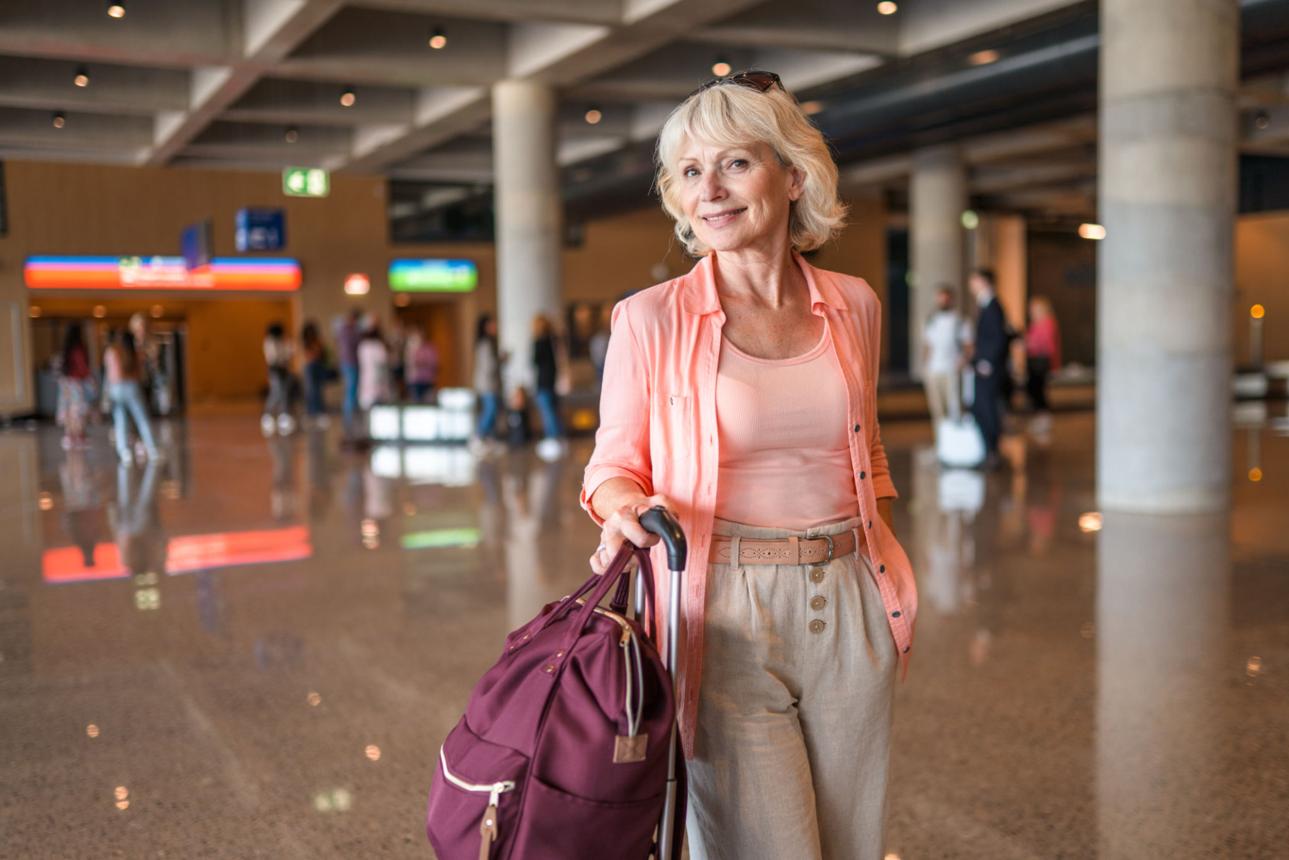
Independent travel and better family interaction
Before / After
Transformation highlights.
Presented as wellness observations from the documented case study.
Before
- Low confidence and confusion
- Family support required for travel
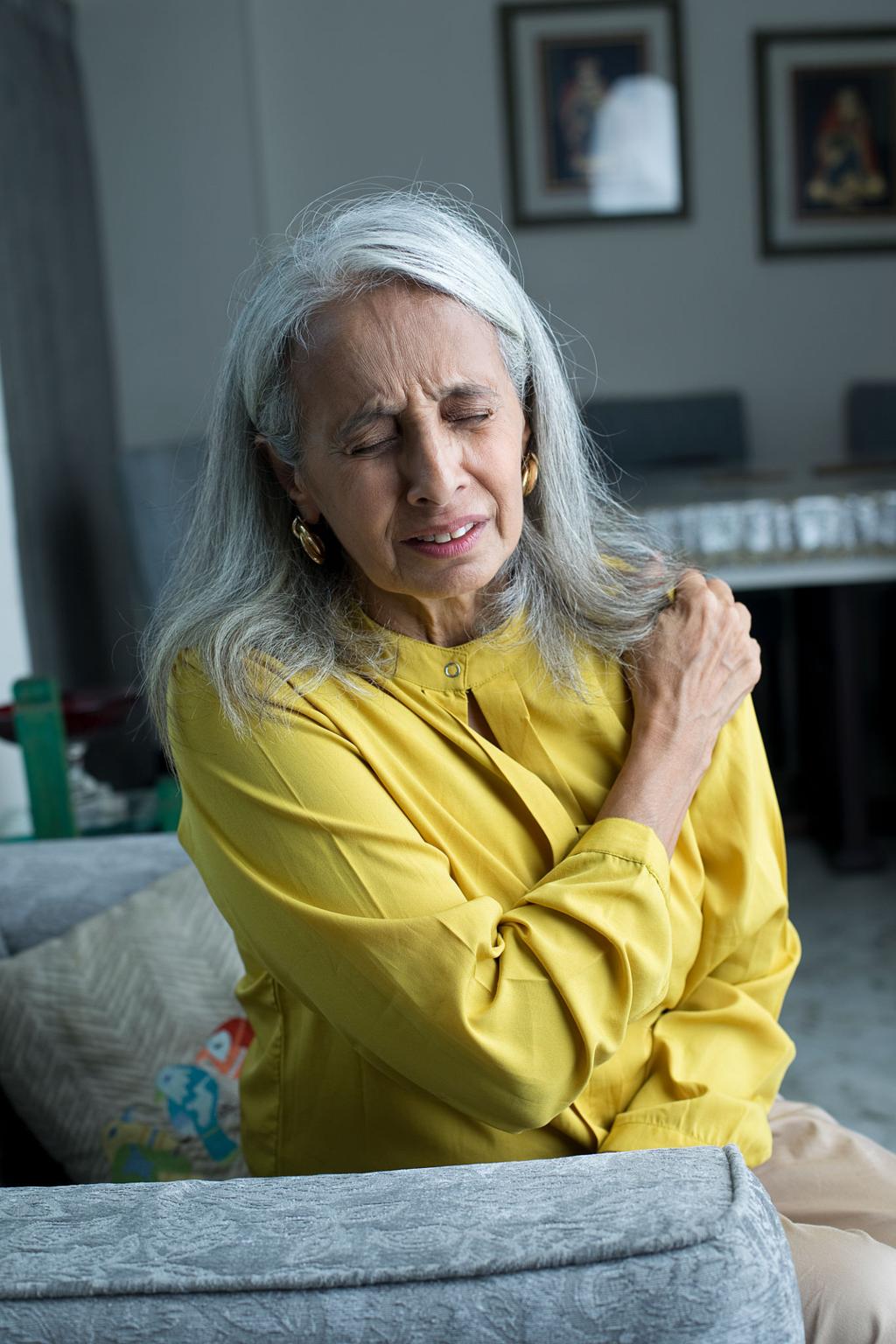
- Frozen shoulder stiffness
→
After
- Improved alertness and focus
- Independent session travel
- Better movement and family interaction
Case Study: Yoga and Meditation Intervention for Memory Loss and Emotional Well-Being in an Elderly Woman
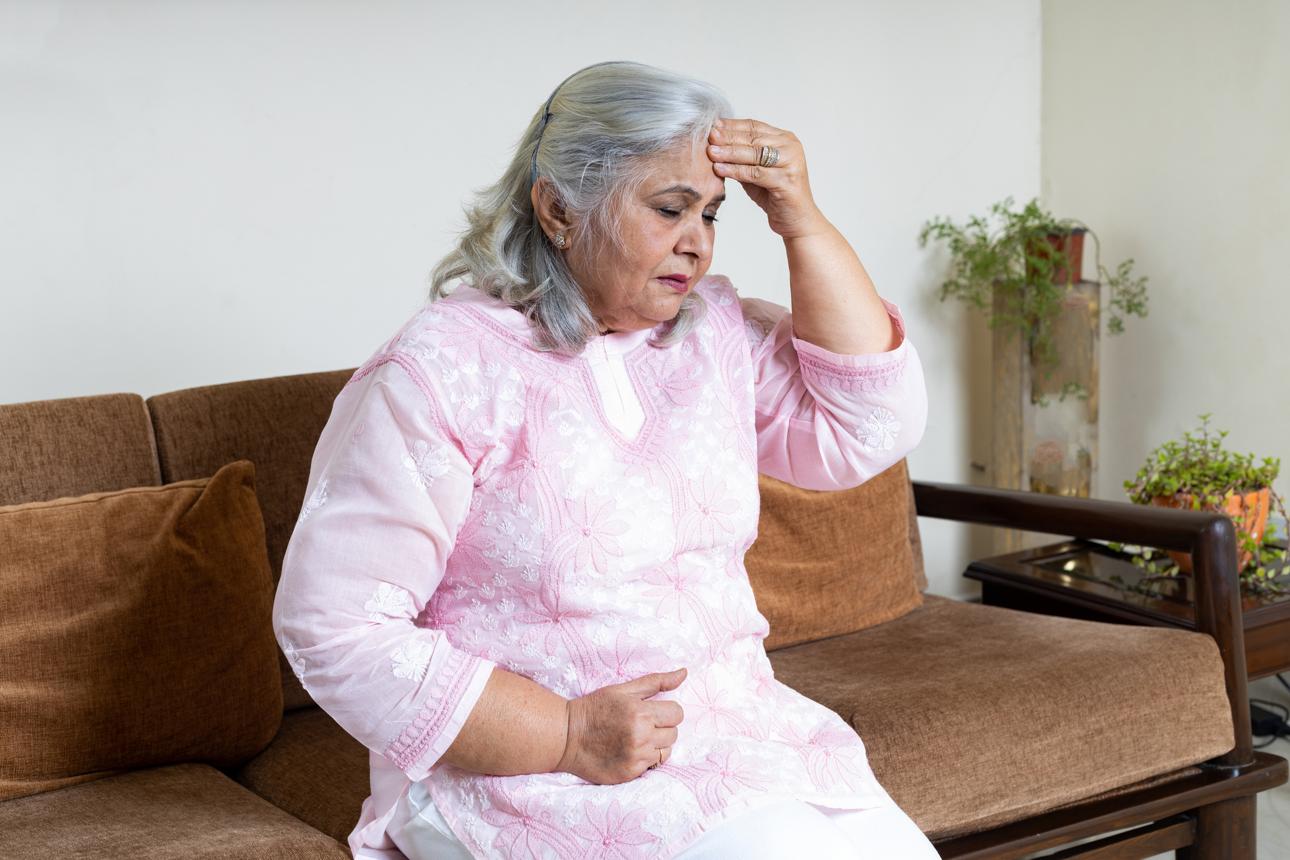
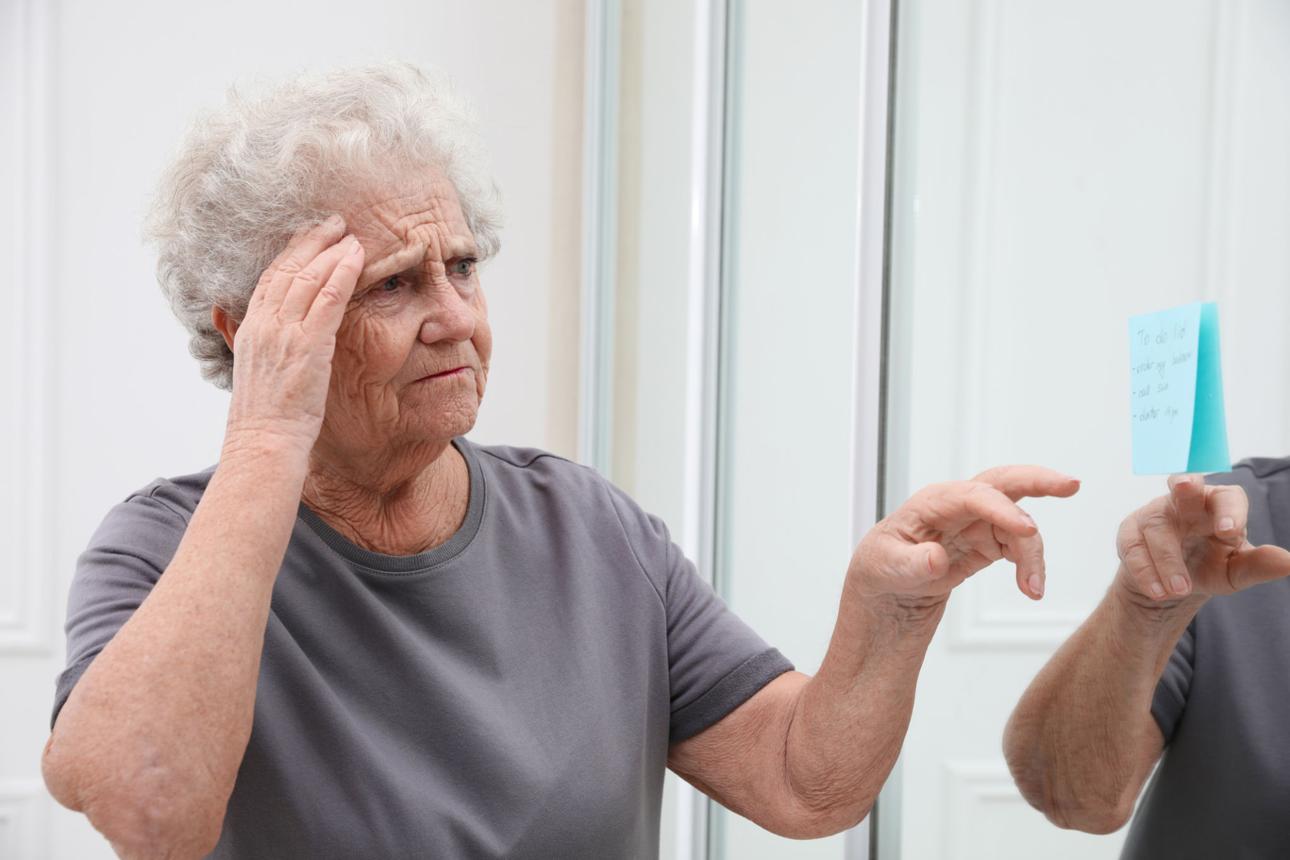
A 62-year-old woman joined my personal yoga sessions in April 2025 after being referred by her cardiologist and diabetologist for yoga and meditation therapy. She was suffering from high blood pressure and recurrent frozen shoulder, which limited her physical movements. Along with these physical conditions, her family was deeply concerned about her short-term memory loss. She often struggled to recall recent events, felt confused, and at times was unable to recognize her own family members. These symptoms affected her confidence, independence, and emotional well-being.
Considering her age, health condition, and mental state, the sessions were planned in a gentle and structured manner. The primary aim was to improve her cognitive functioning, emotional stability, confidence, and physical mobility through yoga and meditation practices.
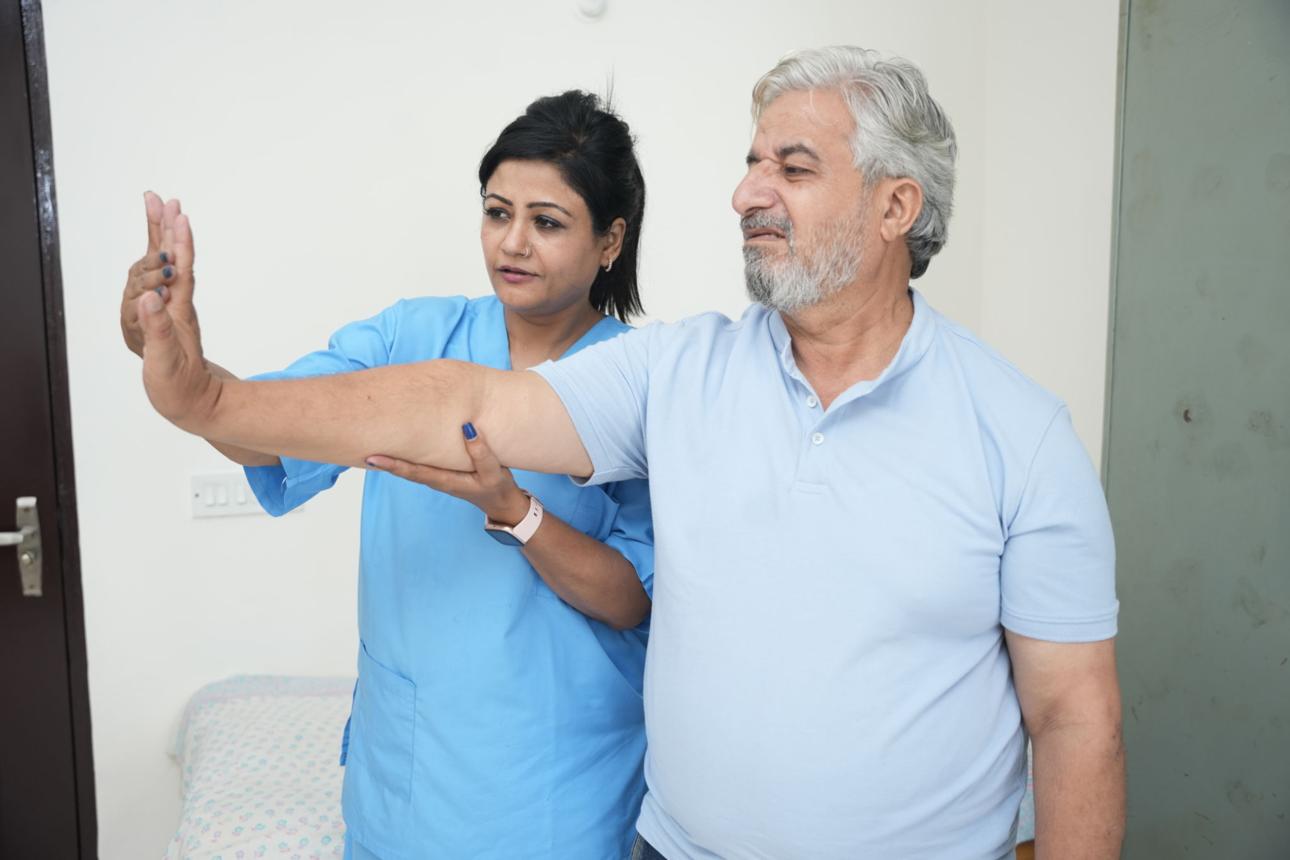
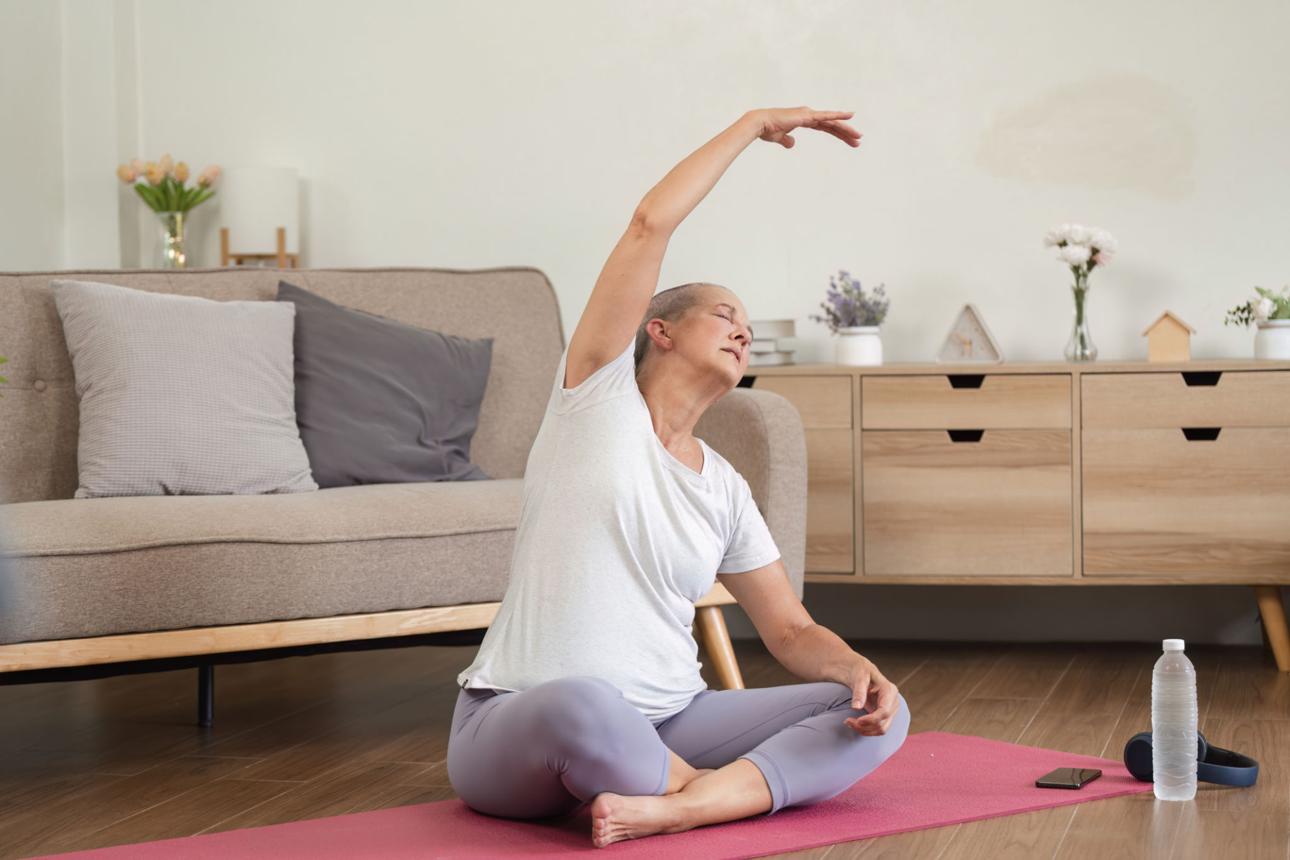
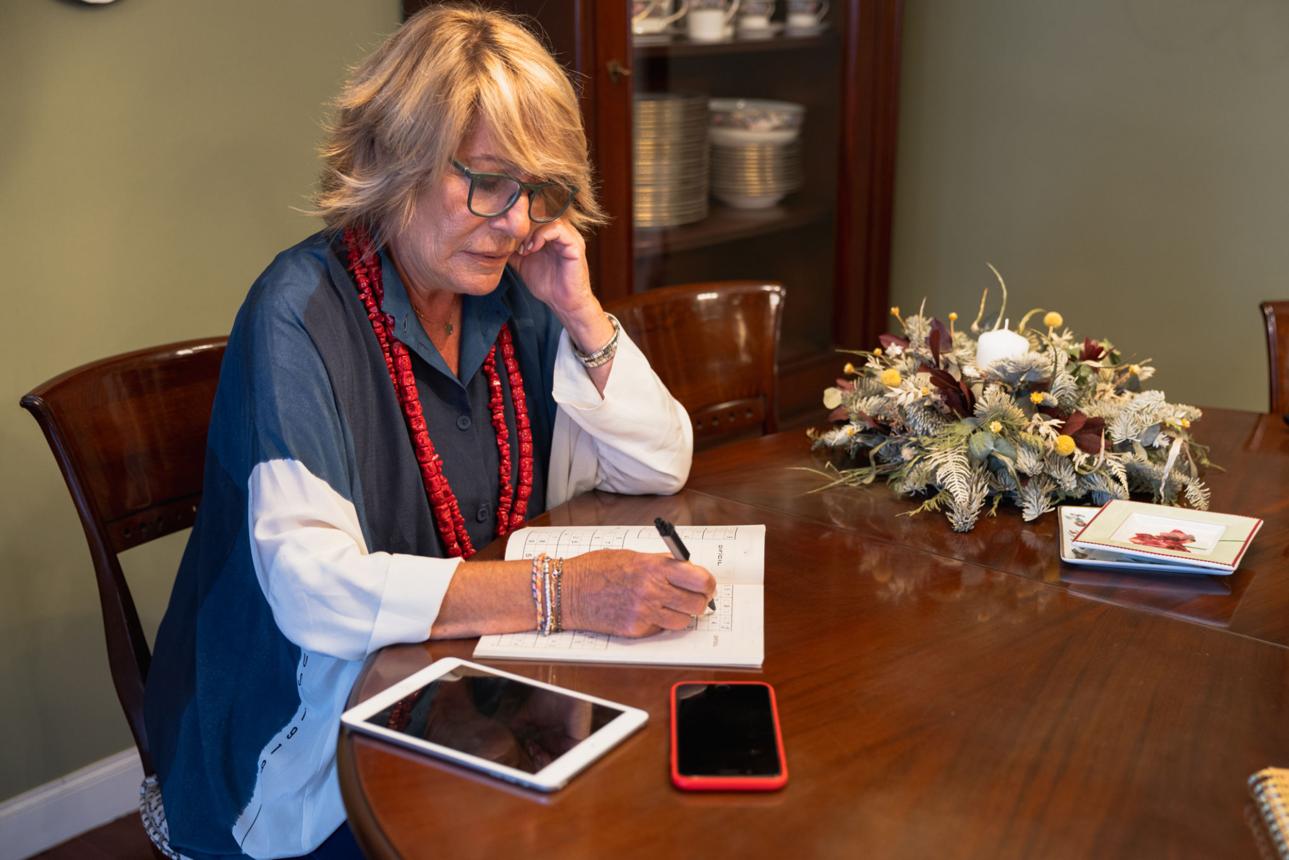
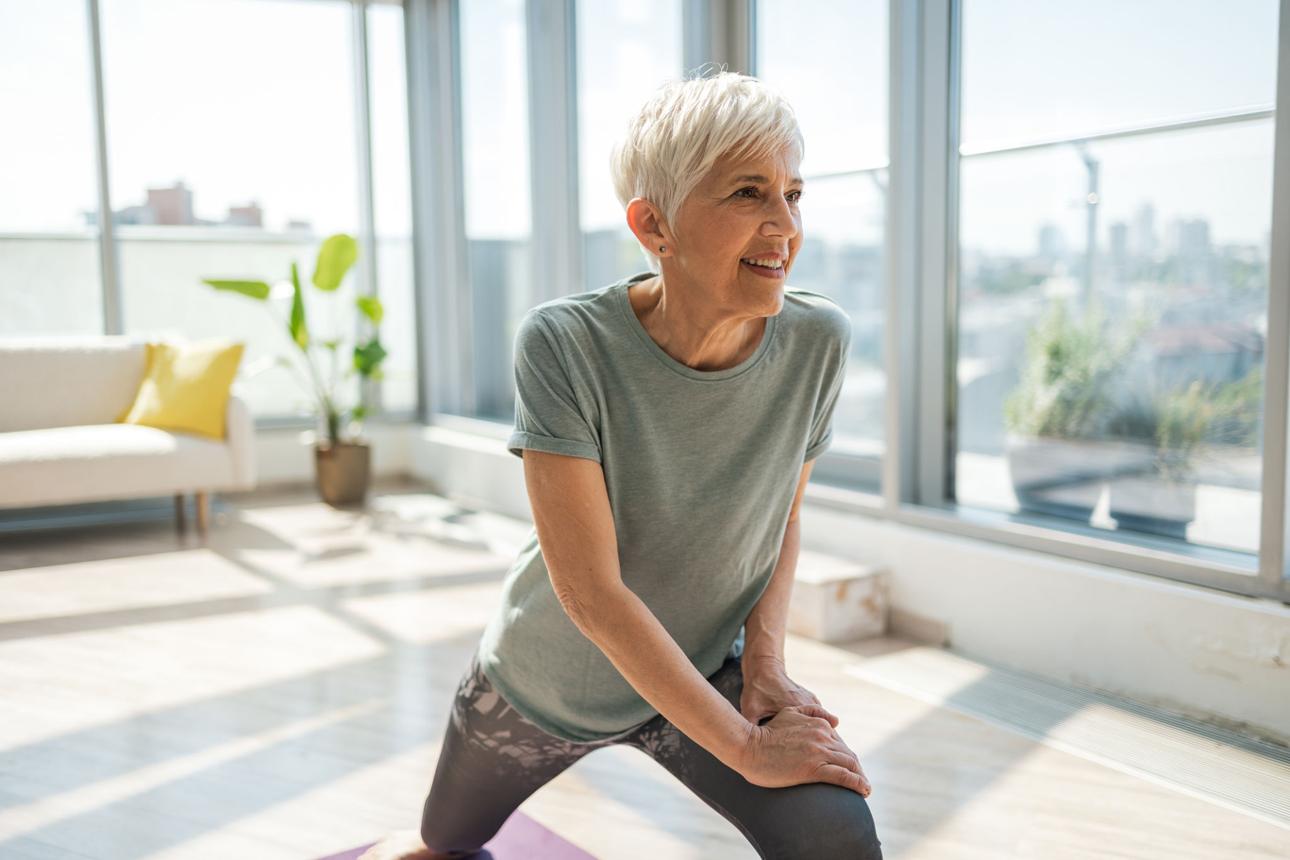
Initially, the sessions focused on simple and easy movements to make her comfortable and reduce stiffness caused by frozen shoulder. Along with physical practices, several mind-conditioning activities were introduced. Mental exercises included backward counting, odd and even number counting, memory-based verbal patterns, and coordinated actions with number sequences to stimulate cognitive functioning and concentration.
Each session was designed systematically and included:
5 minutes of mind conditioning
5 minutes of kriya practices
10 minutes of mental games and memory exercises
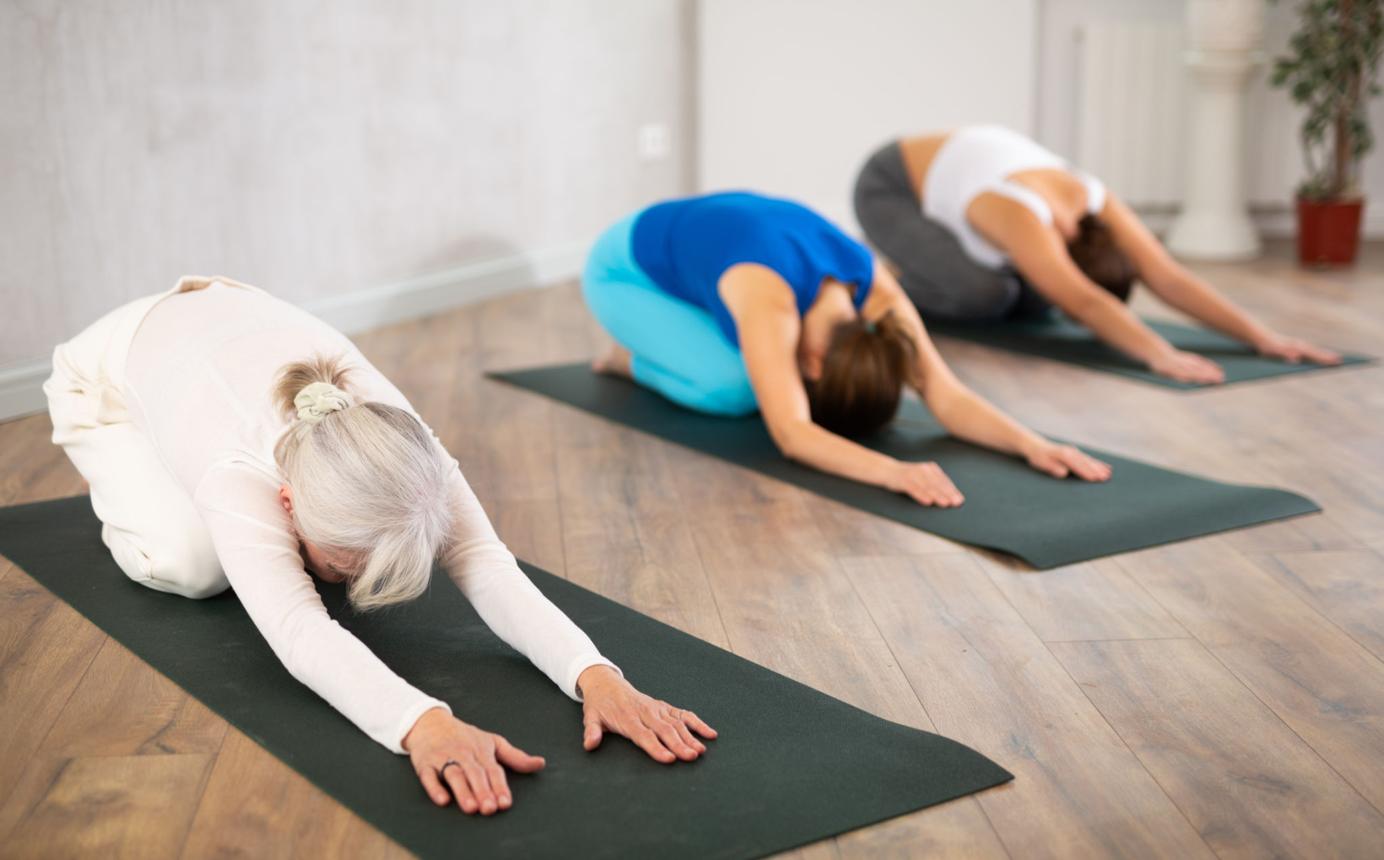
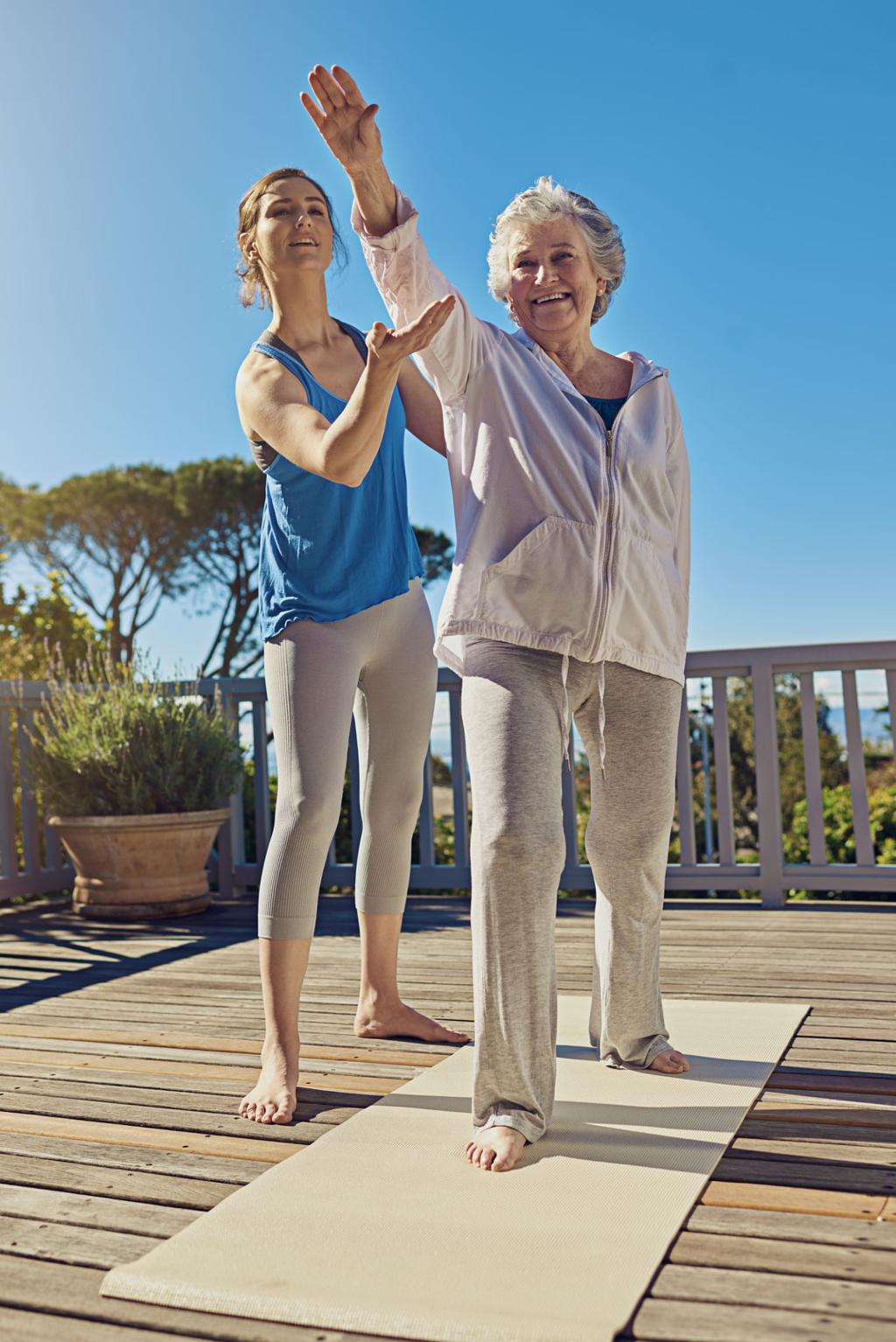
15 minutes of gentle asanas
5 minutes of relaxation
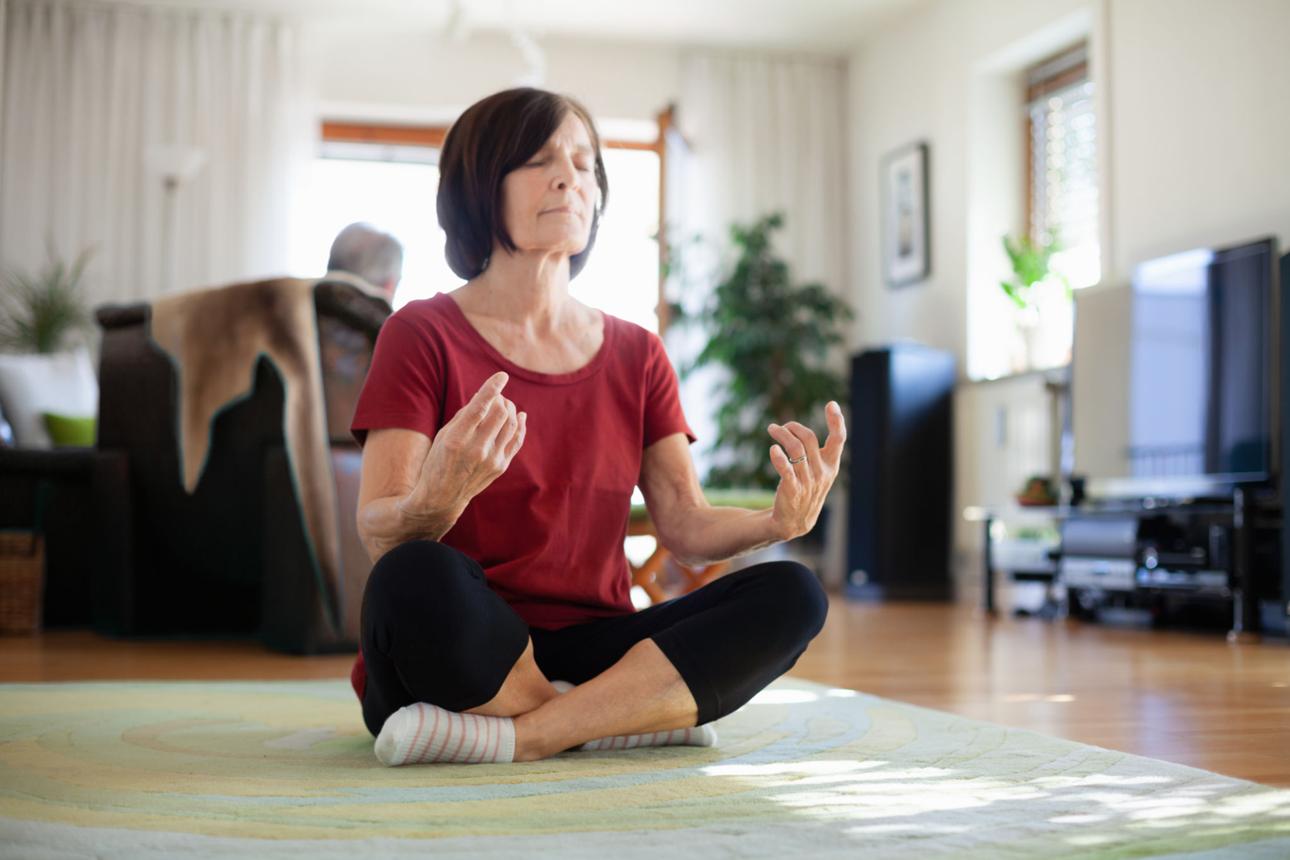
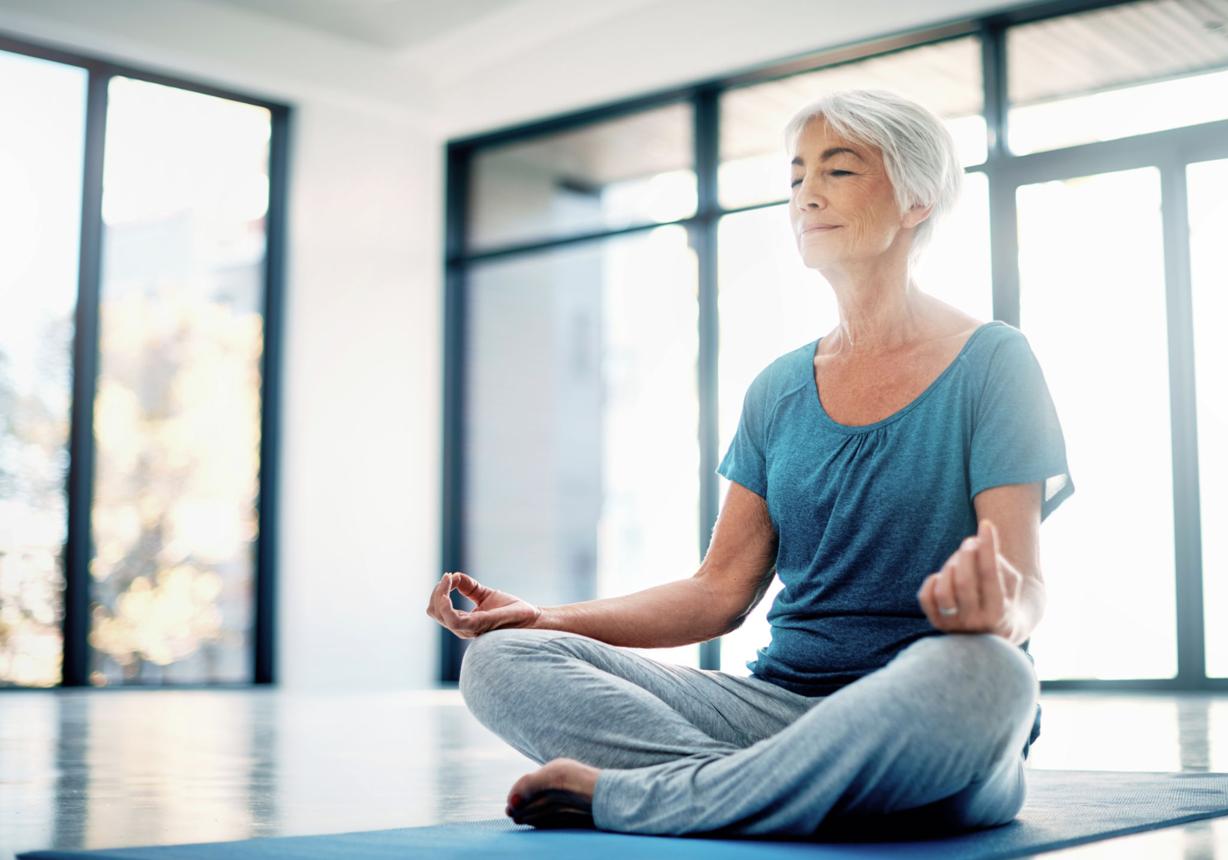
10 minutes of pranayama
15 minutes of meditation, including Trataka meditation once a week
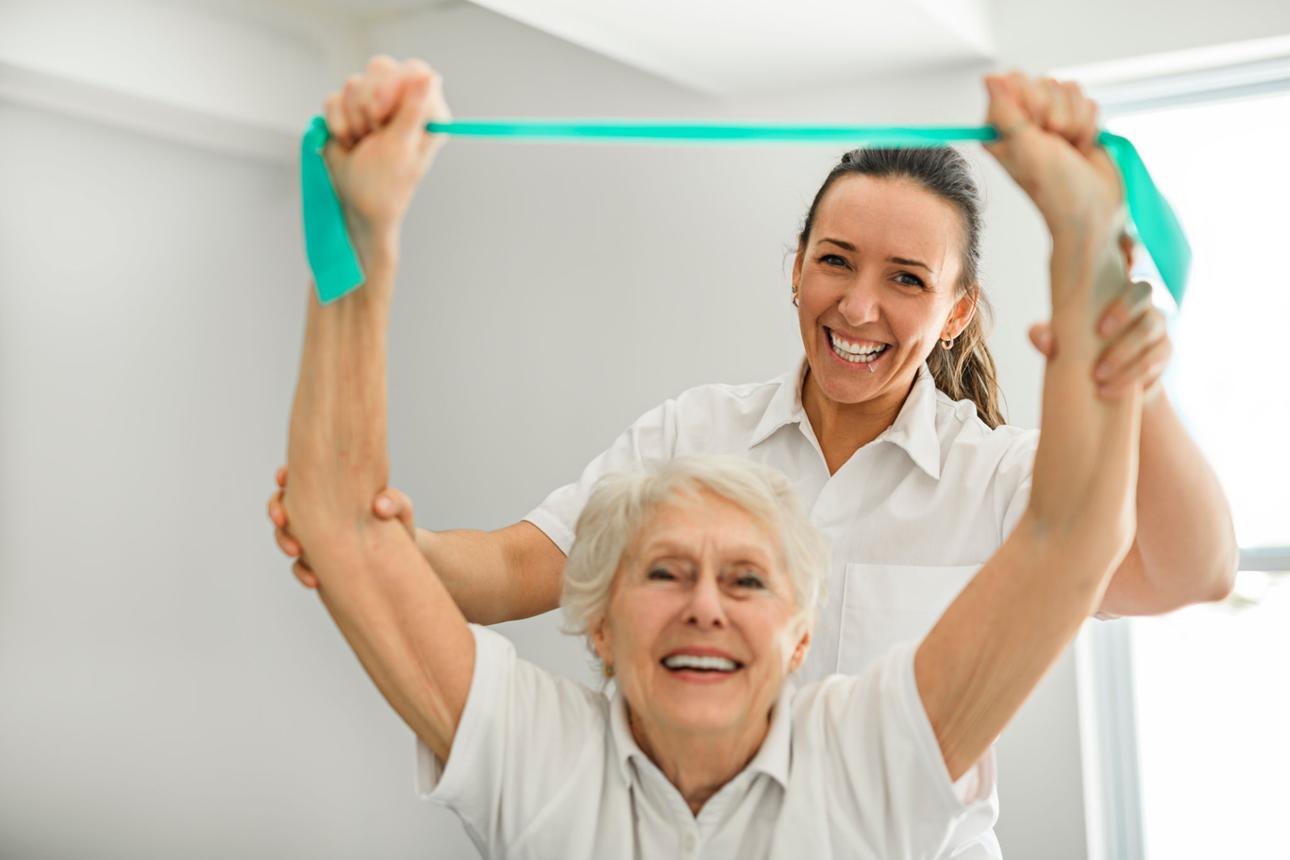
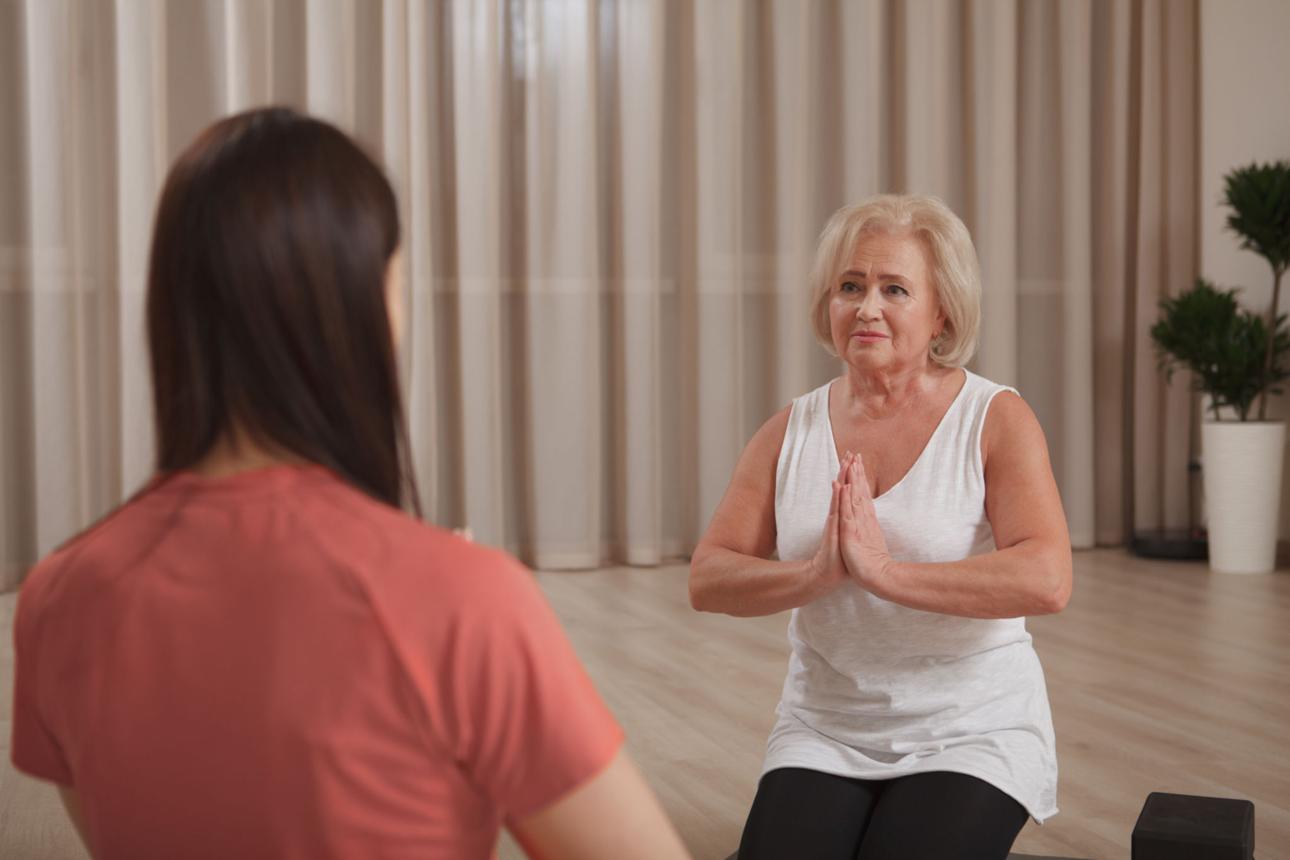
The practices were introduced gradually and consistently. Breathing exercises and meditation helped calm her mind, while the mental games improved concentration and cognitive engagement. Gentle yoga postures supported better circulation, mobility, and overall physical well-being.
Within three months, a remarkable improvement was observed in her overall condition. In the beginning, her husband or daughter accompanied her to every session because she lacked confidence and orientation. However, with regular practice, she gradually became more focused, alert, and emotionally stable. Her confidence improved significantly, and she eventually started traveling to and from the sessions independently.
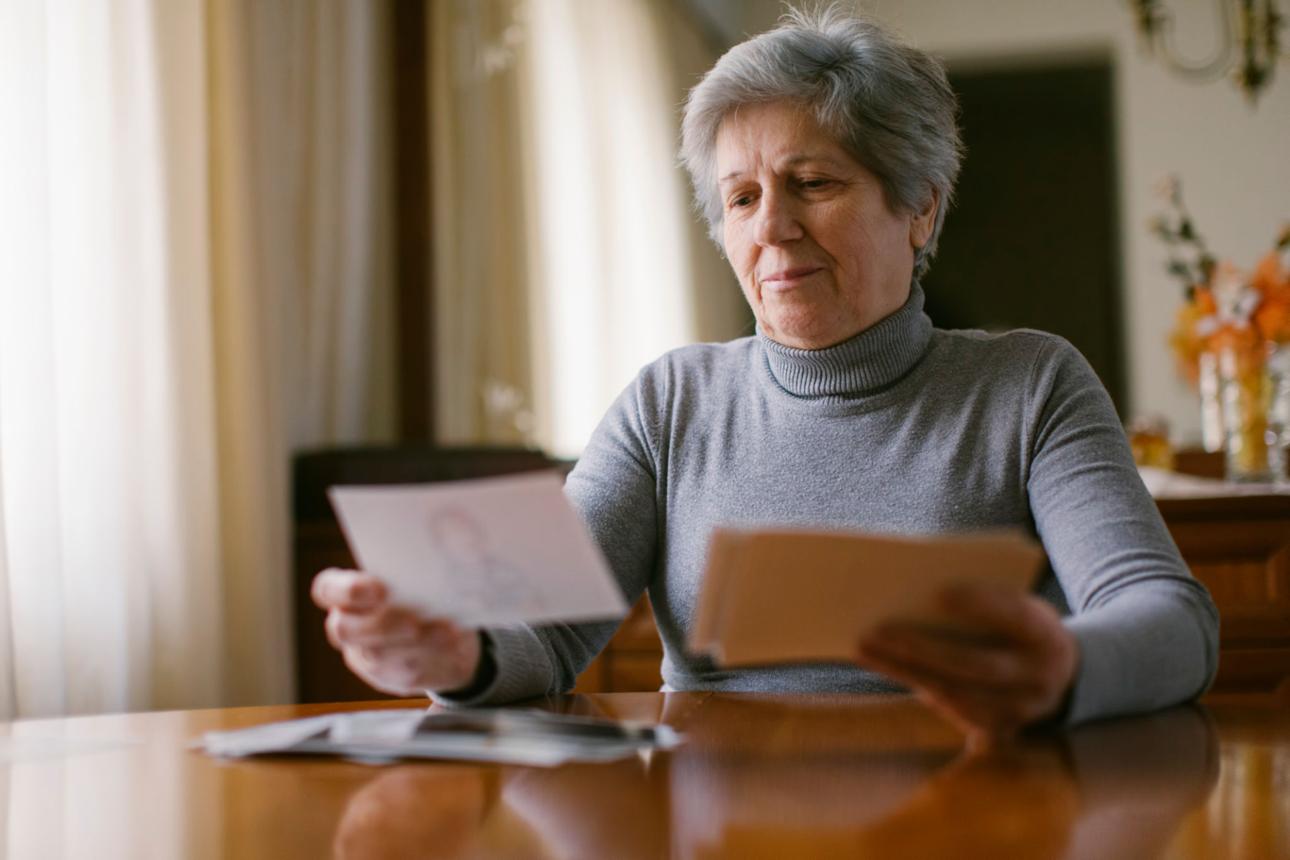
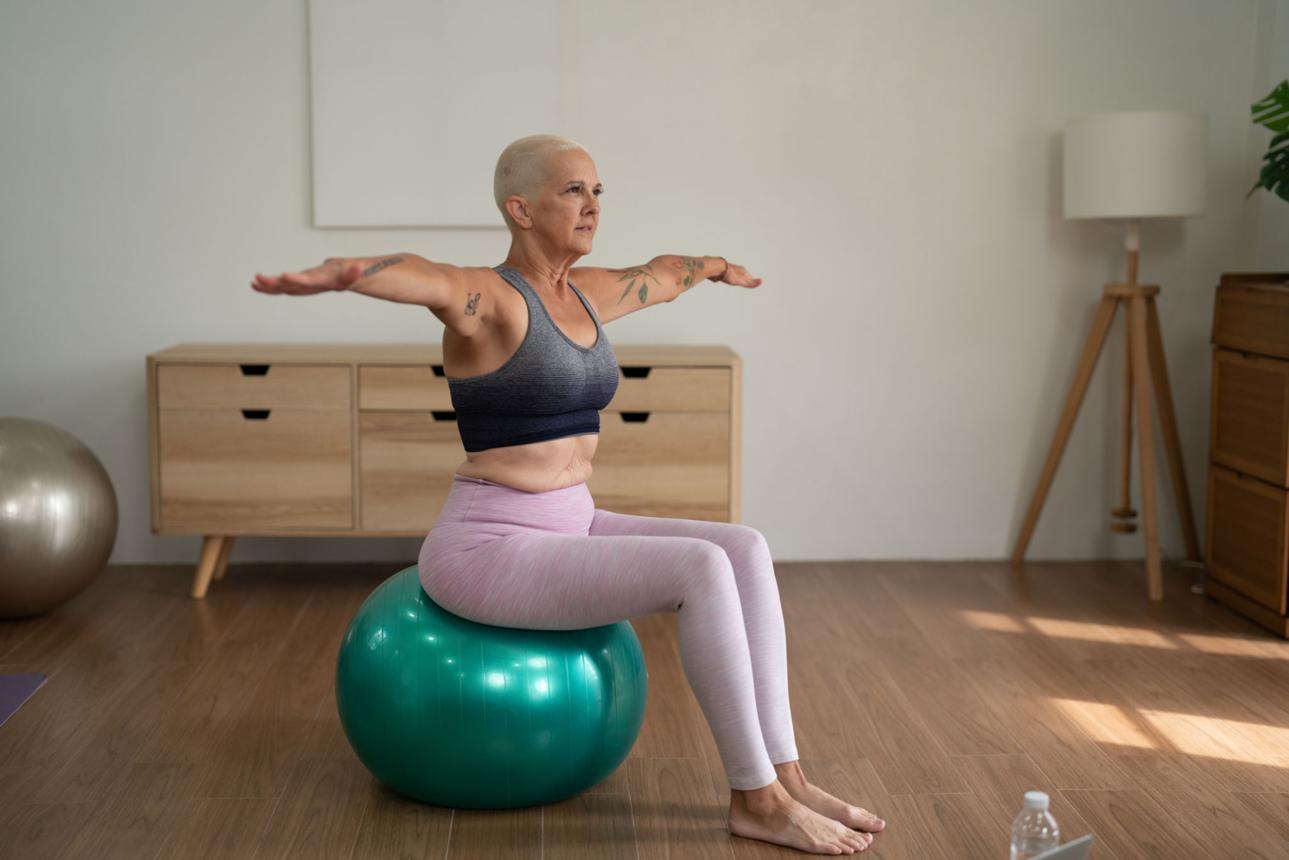
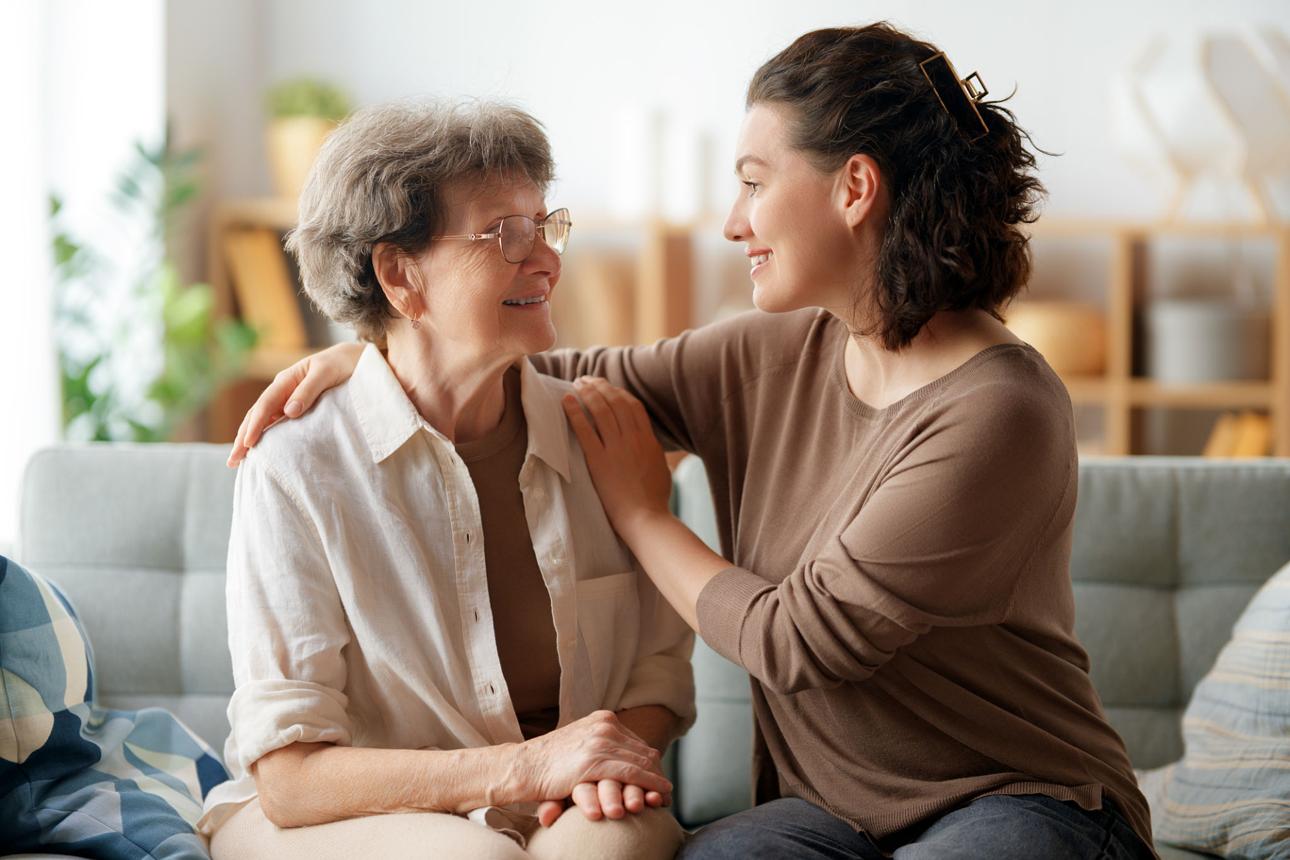
Her family also noticed positive changes in her memory and responsiveness. She became more socially engaged, better able to recognize and interact with family members, and showed improved recall of recent events. The recurring frozen shoulder discomfort also reduced, allowing better movement and participation in daily activities.
Conclusion
This case study highlights the positive impact of yoga and meditation on cognitive health, emotional stability, and quality of life in elderly individuals experiencing memory-related challenges. A holistic approach combining gentle asanas, pranayama, meditation, relaxation, and cognitive exercises helped improve the participant’s confidence, focus, independence, and memory. Regular yoga practice not only supported her physical health but also contributed significantly to her mental and emotional well-being. This case demonstrates that yoga can serve as an effective complementary therapy for managing age-related cognitive decline and enhancing overall quality of life.
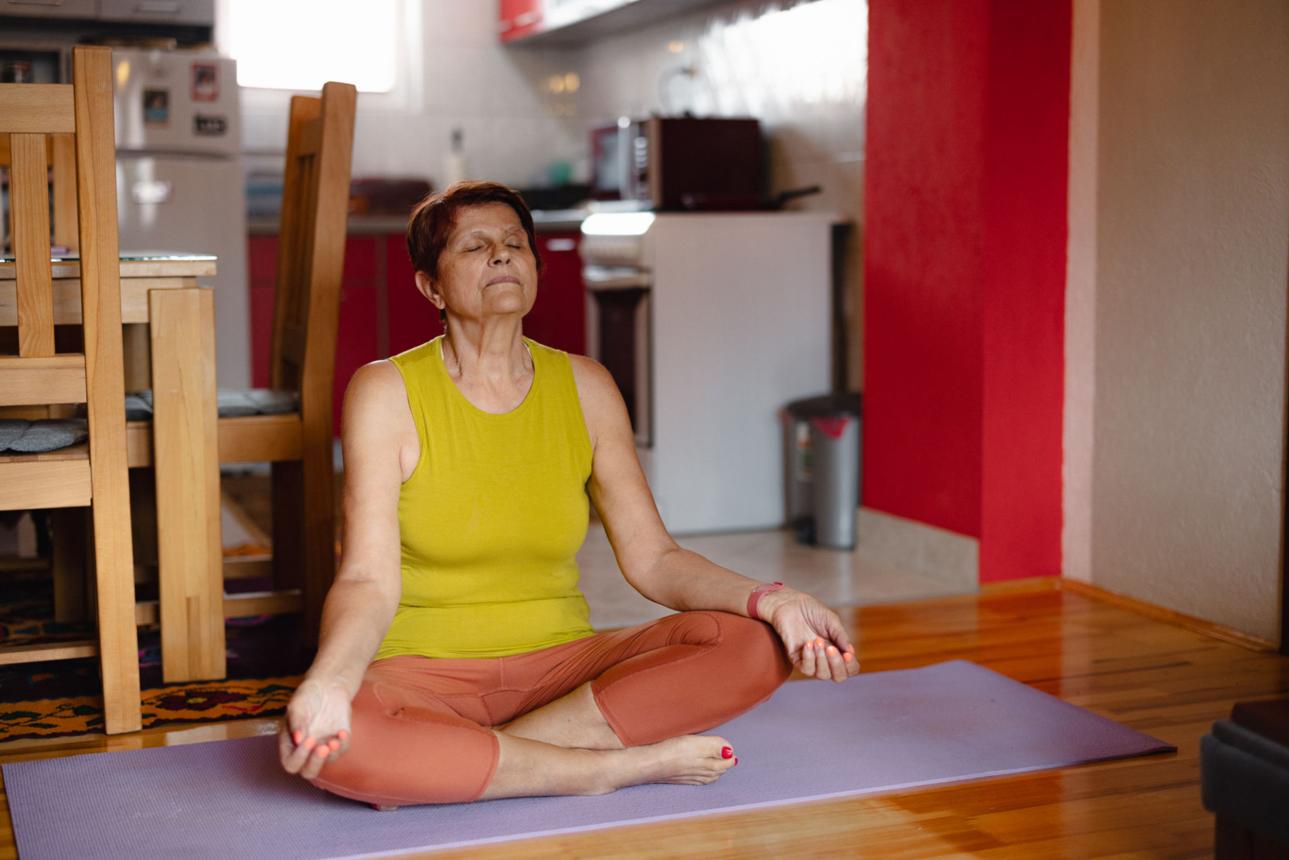
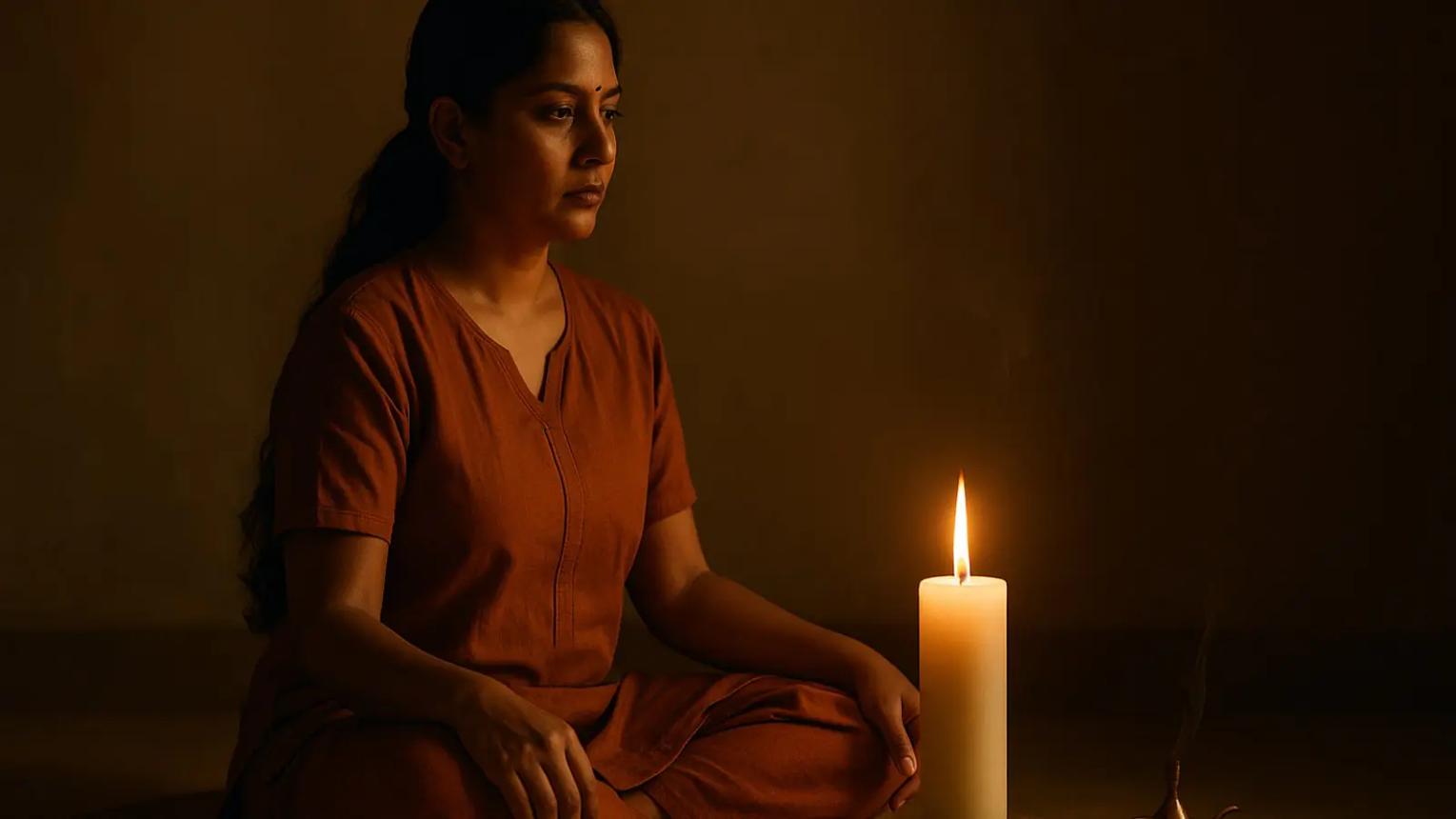
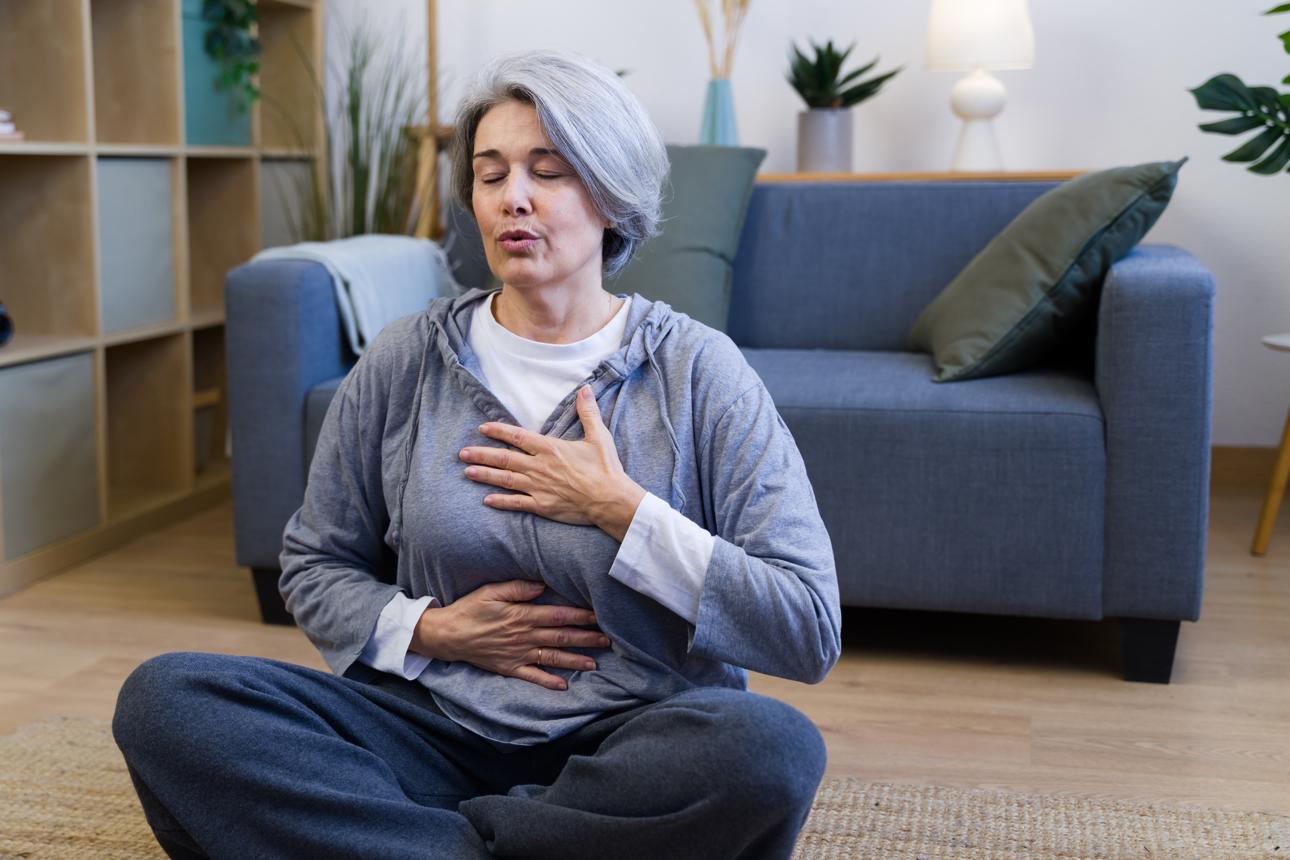
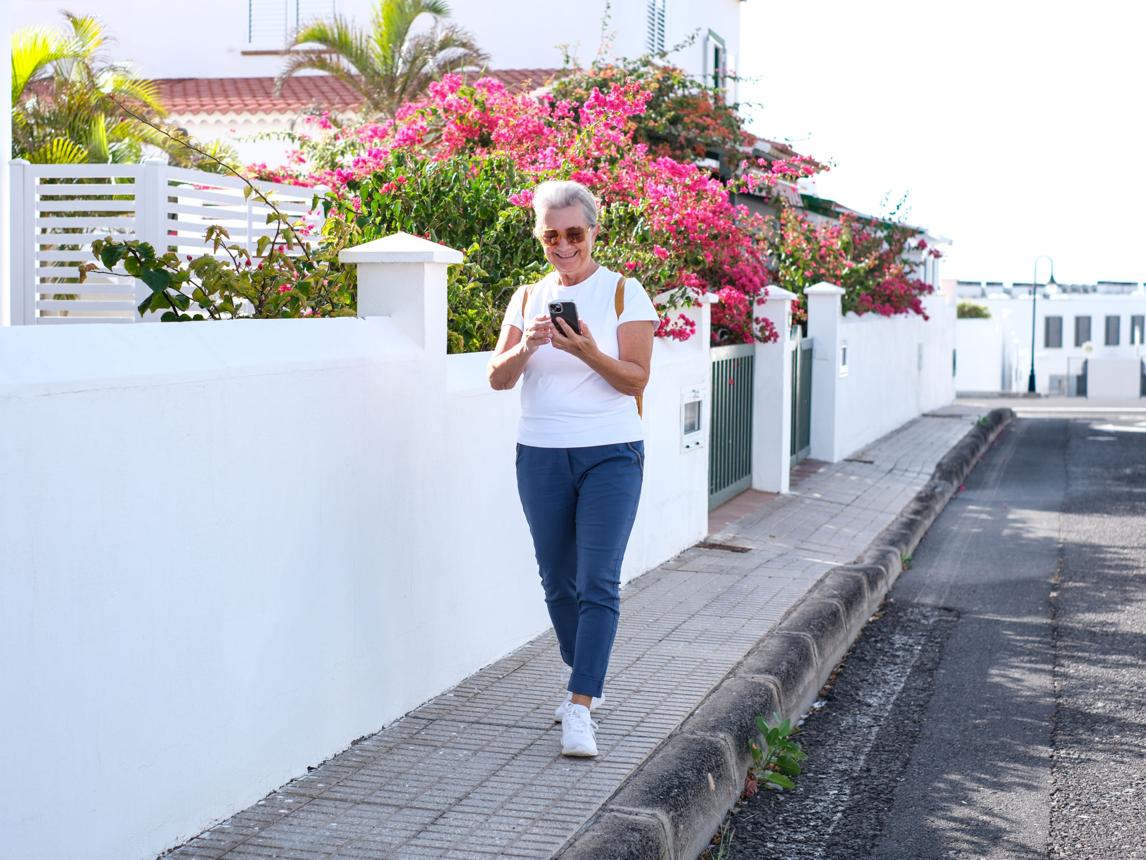
Visual Journey
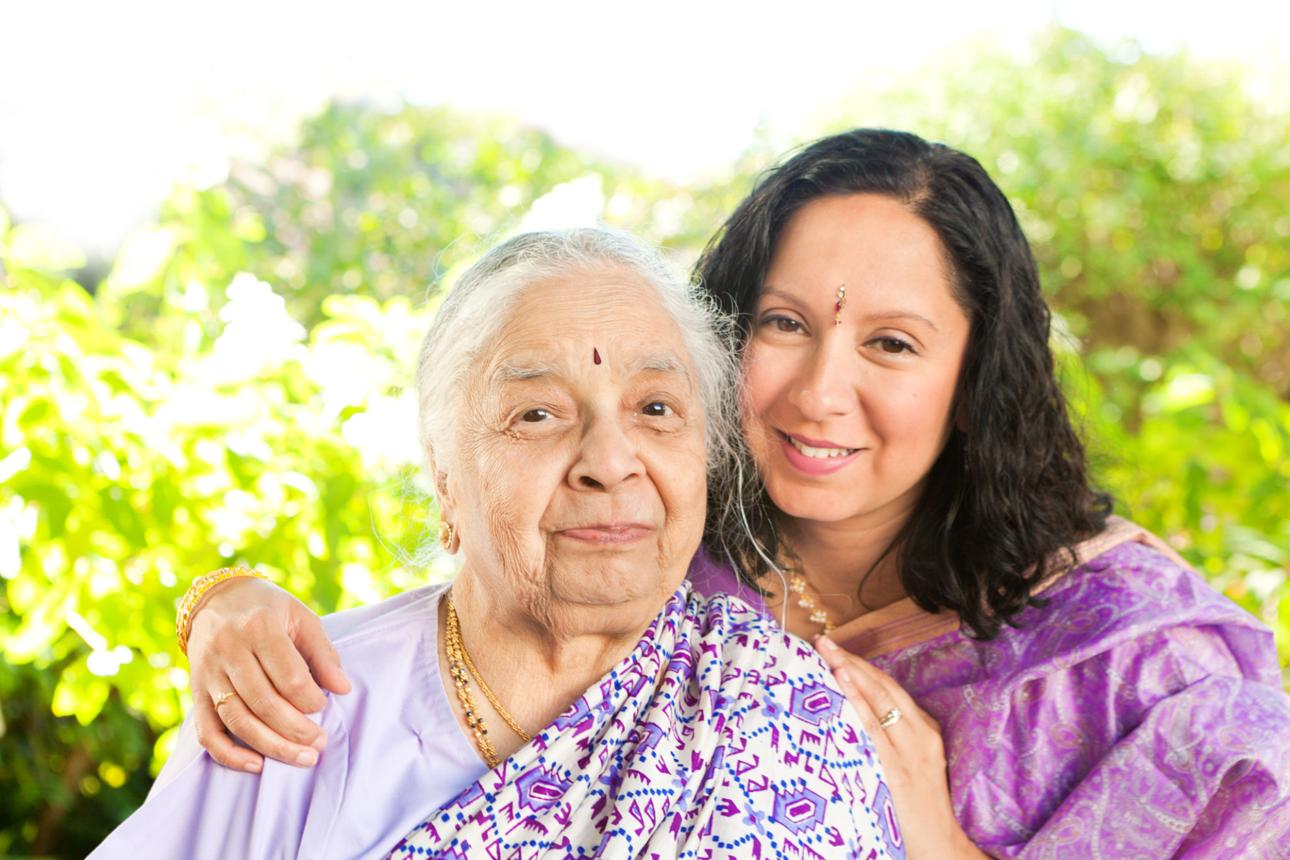
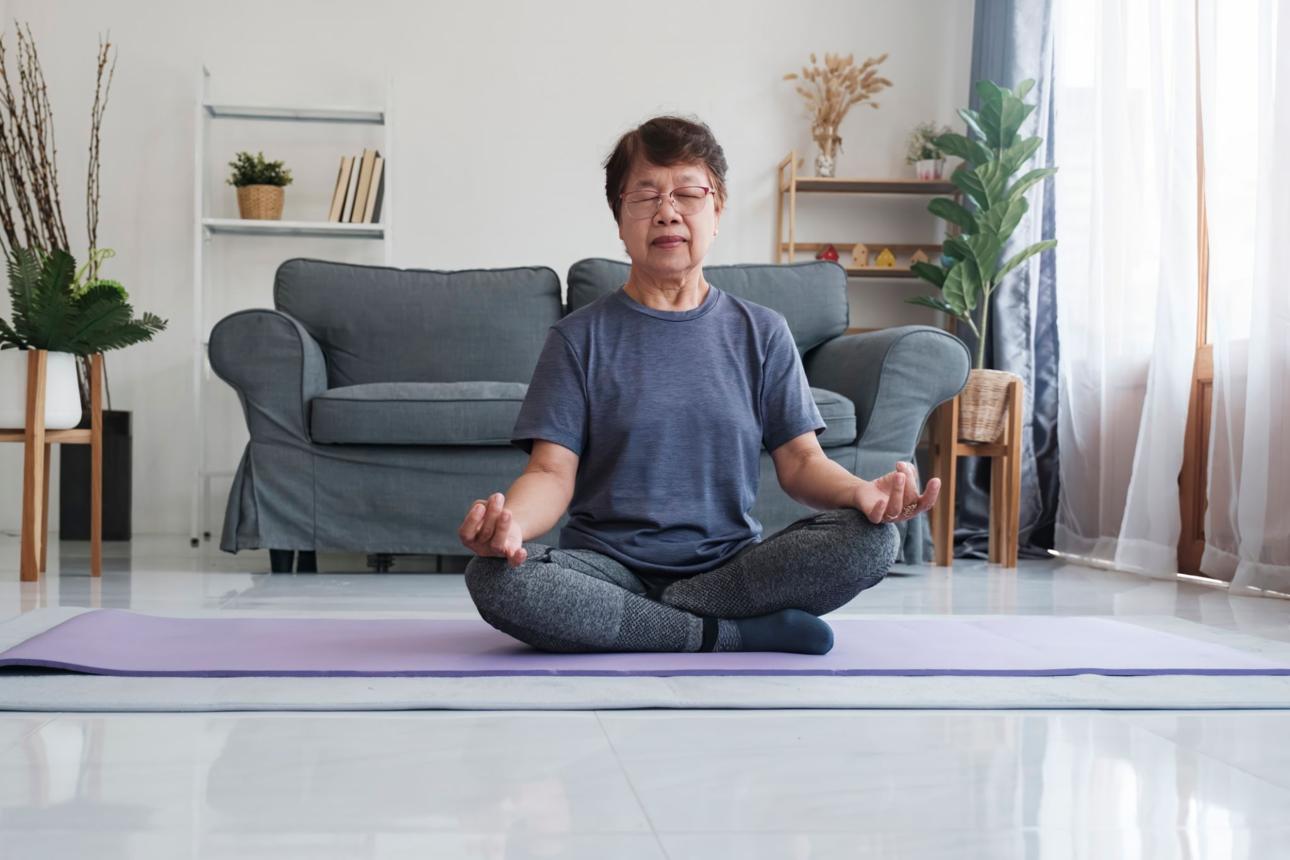
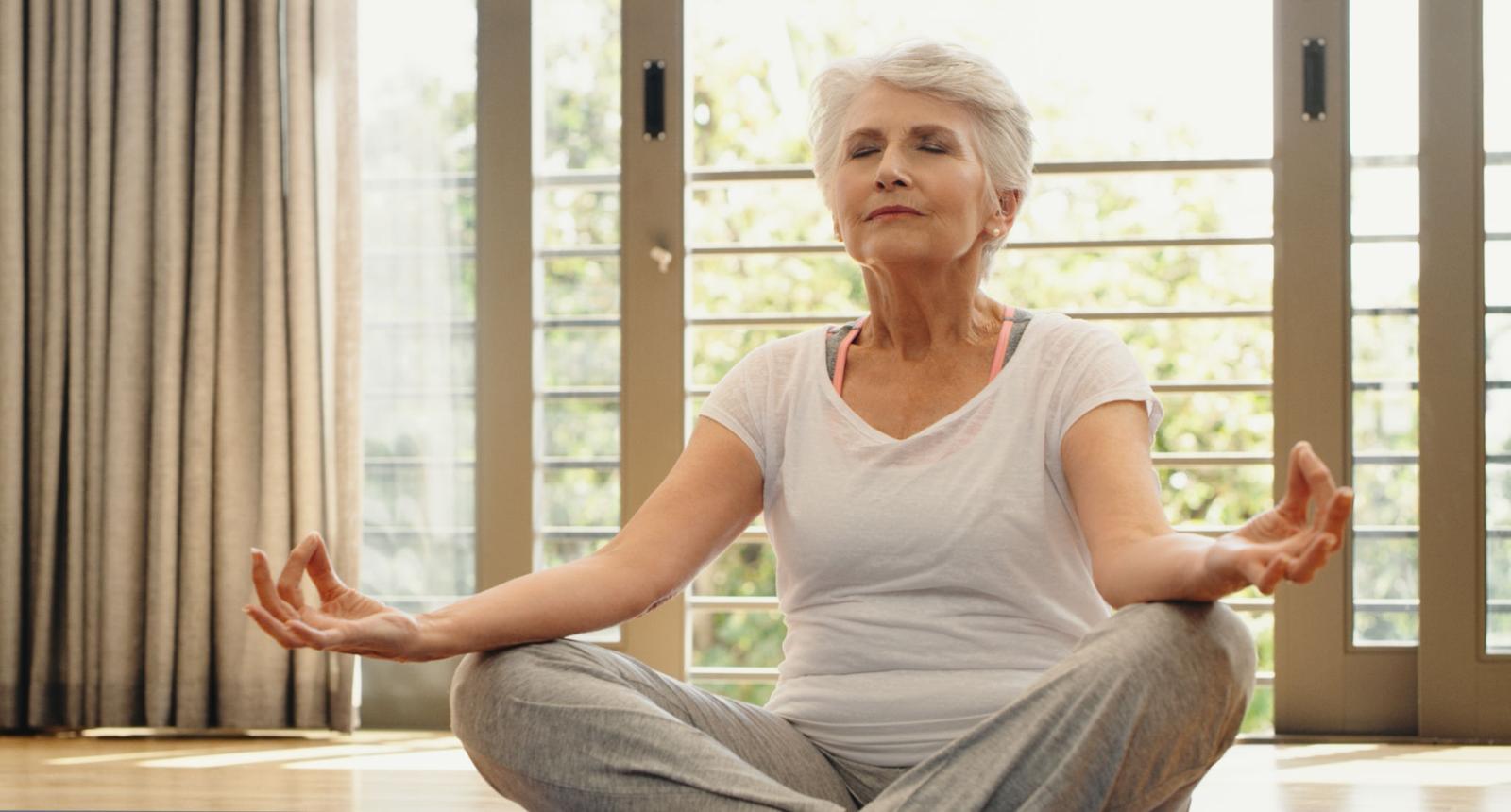
Related images placed according to the key stages of this case study.

Visual Journey
Practice, progress and wellness moments.
“Confidence, memory response, mobility and emotional stability improved.”
— Case Study 1 wellness outcome summary