




Carefully structured progress journey.
Back pain and stiffness assessed
Gentle group yoga started
Spinal mobility and strengthening asanas
Breathing, relaxation and meditation
Improved posture and pain relief
Transformation highlights.
Presented as wellness observations from the documented case study.
Before
- Lower back pain and stiffness
- Poor posture and fatigue
- Disturbed sleep and stress
After
- Pain reduced significantly
- Better posture and flexibility
- Improved sleep and mental peace
Case Study – Yoga for Lower Back Pain in Women
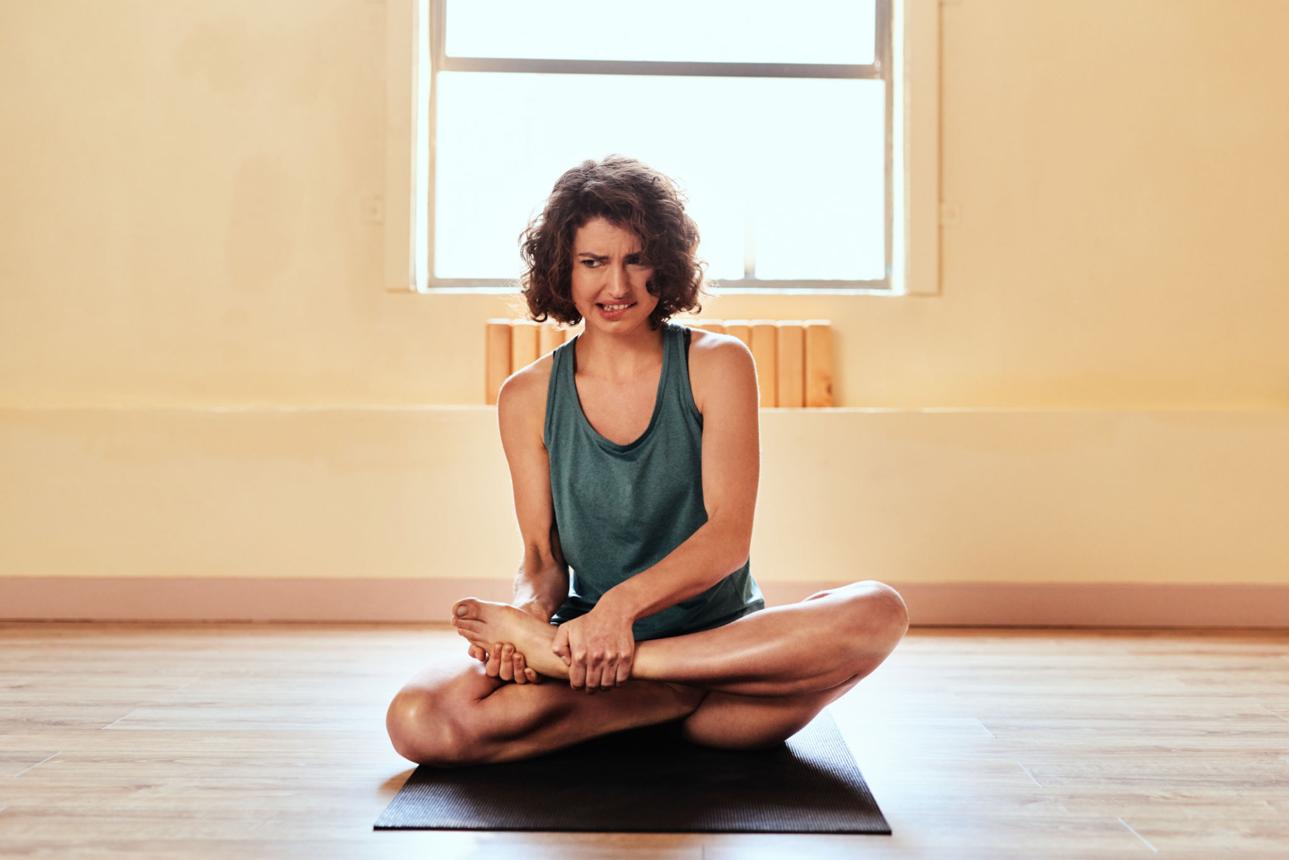
A group of women aged between 28 to 55 years joined my yoga classes with a common complaint of lower back pain. Some of them were homemakers involved in continuous household activities, while others were working professionals spending long hours sitting at desks or travelling. Many women also complained of body stiffness, poor flexibility, stress, fatigue, and lack of proper rest. A few participants experienced disturbed sleep and mental stress along with physical discomfort.
During the initial assessment, many women found it difficult to bend forward, sit comfortably for long durations, or perform simple stretching movements. Weak posture, tight hip muscles, lack of physical activity, stress, and improper body mechanics were some of the major causes observed behind their lower back pain.
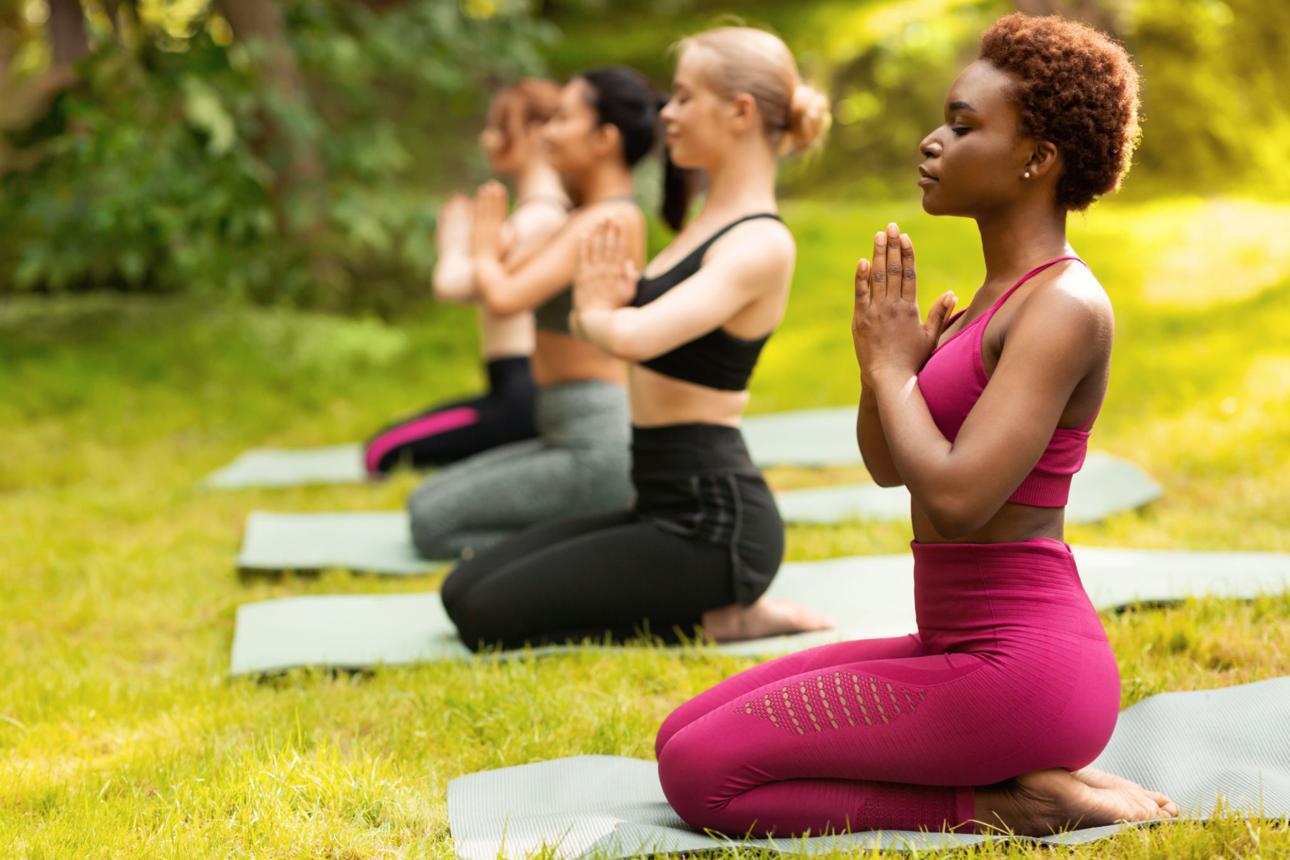
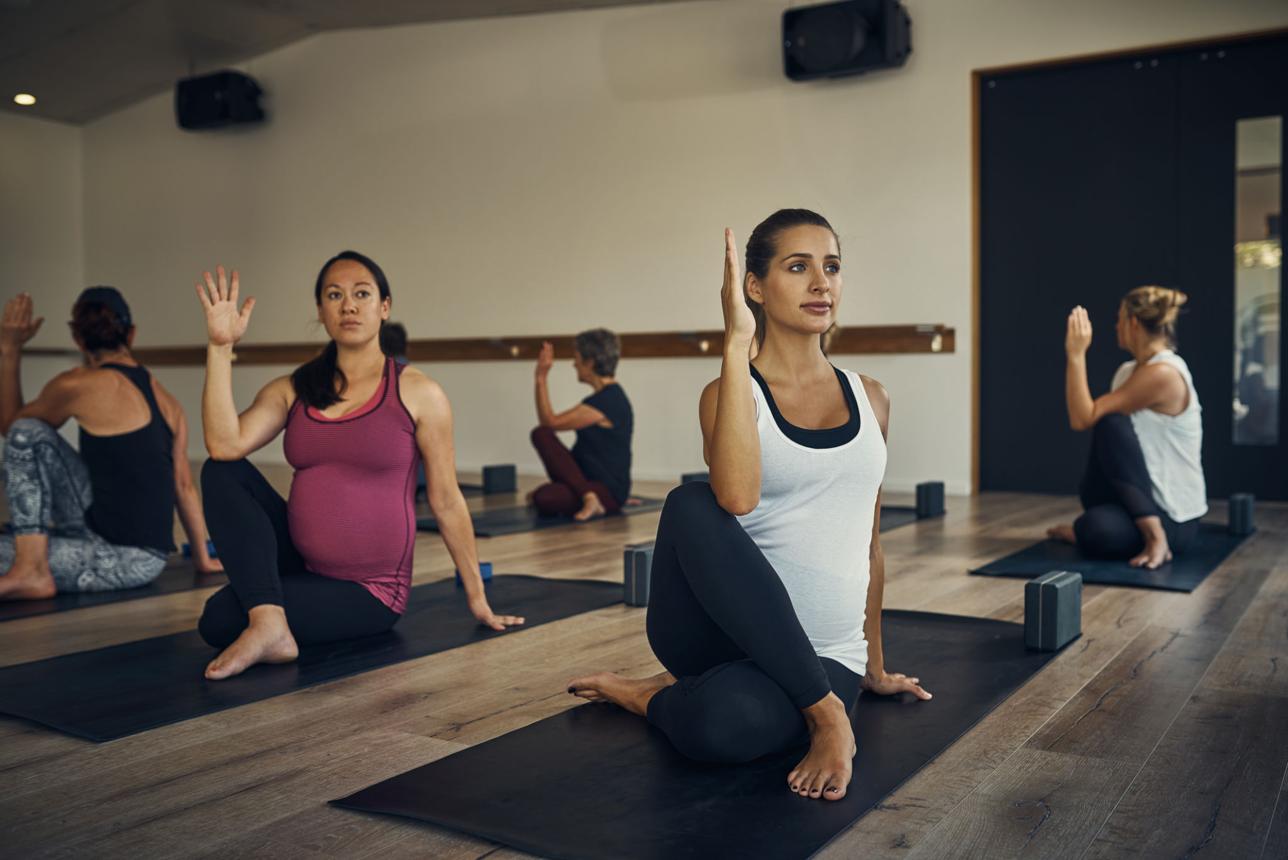
The yoga sessions were designed carefully with gentle warm-ups, stretching exercises, breathing techniques, relaxation practices, and simple therapeutic asanas focusing on strengthening the spine, improving flexibility, reducing stiffness, and relaxing the mind. The women attended yoga sessions regularly 4 to 5 days a week for about 2 to 3 months.
The following asanas were mainly practiced to overcome lower back pain:
Tadasana – to improve posture and body balance
Marjariasana (Cat-Cow Stretch) – to improve spinal flexibility and release stiffness
Bhujangasana – to strengthen the back muscles
Setu Bandhasana – to strengthen the lower back, hips, and thighs
Balasana – to relax and stretch the spine gently
Pawanmuktasana – to release tension from the lower back region
Shalabhasana – to improve lower back strength
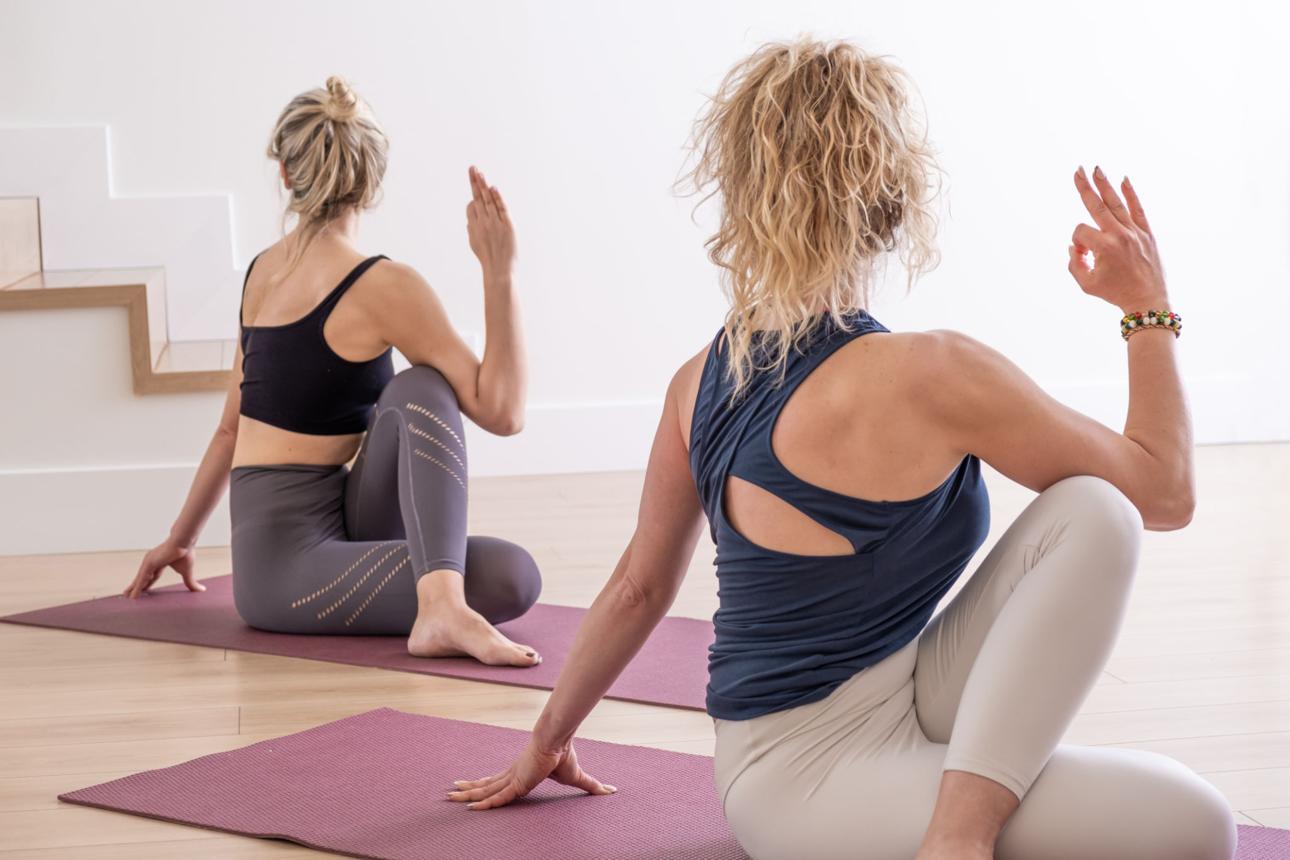
Vakrasana – to increase spinal mobility and flexibility
Shavasana – for complete relaxation and stress relief
Along with these asanas, breathing practices like deep breathing and relaxation techniques were included to reduce stress and calm the nervous system. Short meditation sessions also helped participants improve their mental focus and emotional balance.
After 2 to 3 months of regular yoga practice, most women experienced remarkable improvement in their condition. Their lower back pain reduced significantly, flexibility improved, and body strength increased. Many women reported better posture, ease in daily movements, and reduced stiffness. Along with physical benefits, they also experienced mental peace, emotional calmness, reduced stress levels, and better sleep quality.
Conclusion
This case study highlights that regular yoga practice can be highly effective in managing and reducing lower back pain naturally. Consistent practice of therapeutic asanas, breathing exercises, relaxation, and meditation not only helped the women recover from physical discomfort but also improved their flexibility, strength, and overall quality of life. Yoga proved to be a holistic approach that supported both physical health and mental well-being, bringing peace, calmness, and balance into their daily lives.
Practice, progress and wellness moments.









“Reduced lower back pain, improved posture, flexibility, sleep and calmness.”
— Case Study 6 wellness outcome summary