




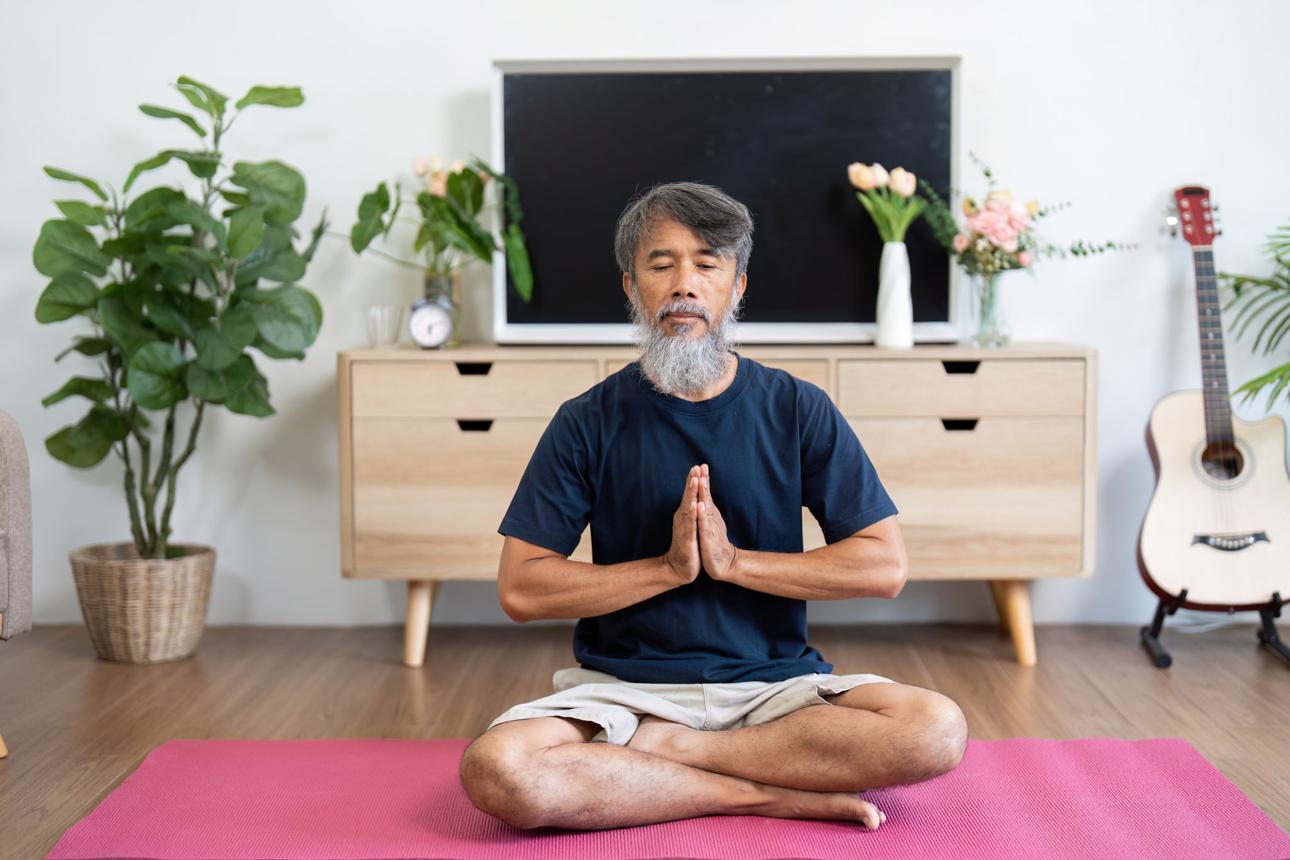
Carefully structured progress journey.
Personalized yoga therapy began
Chair-supported conditioning
Leg circulation and joint mobility
Asanas, pranayama and meditation
Better movement and regulated sugar levels
Transformation highlights.
Presented as wellness observations from the documented case study.
Before
- Blood sugar fluctuation
- Restricted movement and leg cramps
- Poor circulation and stiffness
After
- More stable sugar levels
- Improved circulation and mobility
- Reduced stiffness and easier movement
Case Study: Yoga Management for Diabetes and Limited Mobility
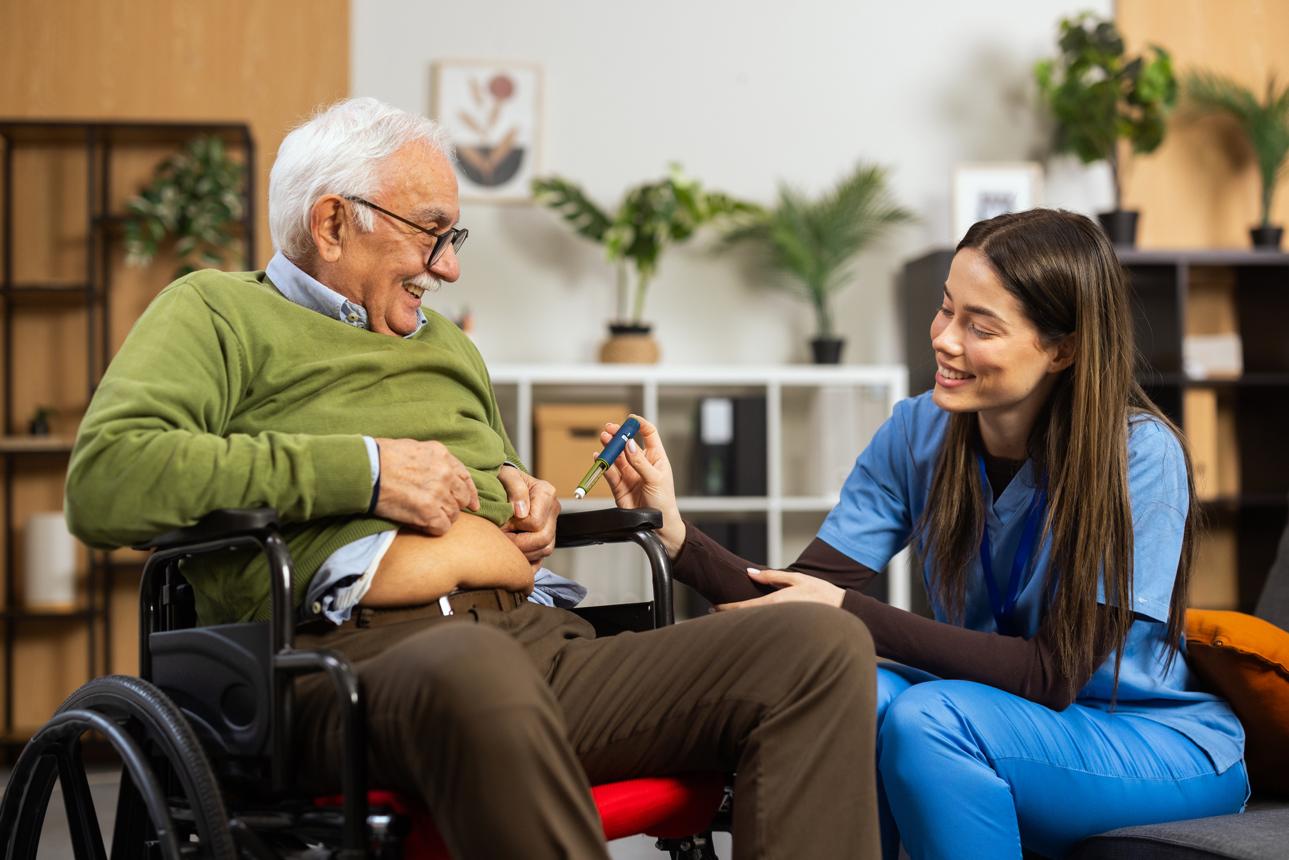
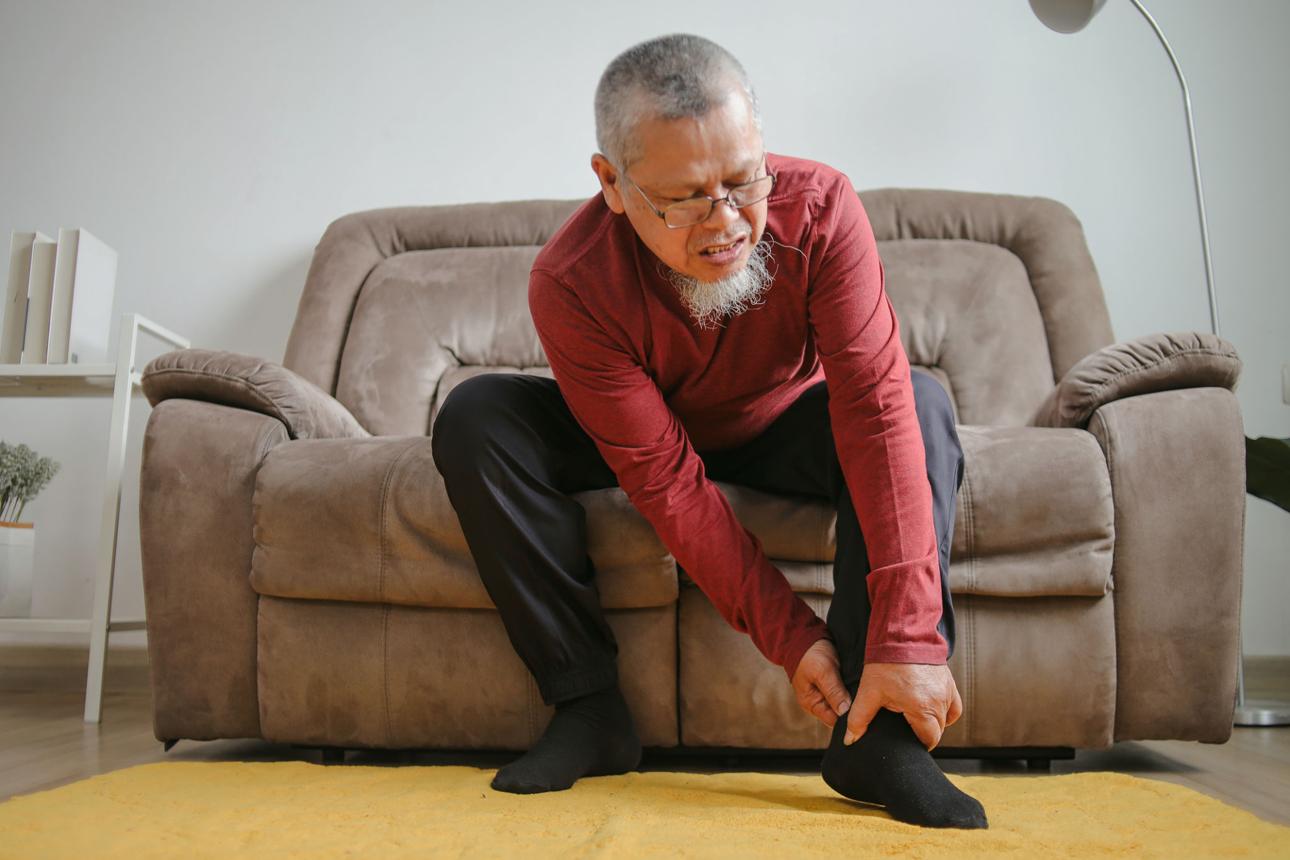
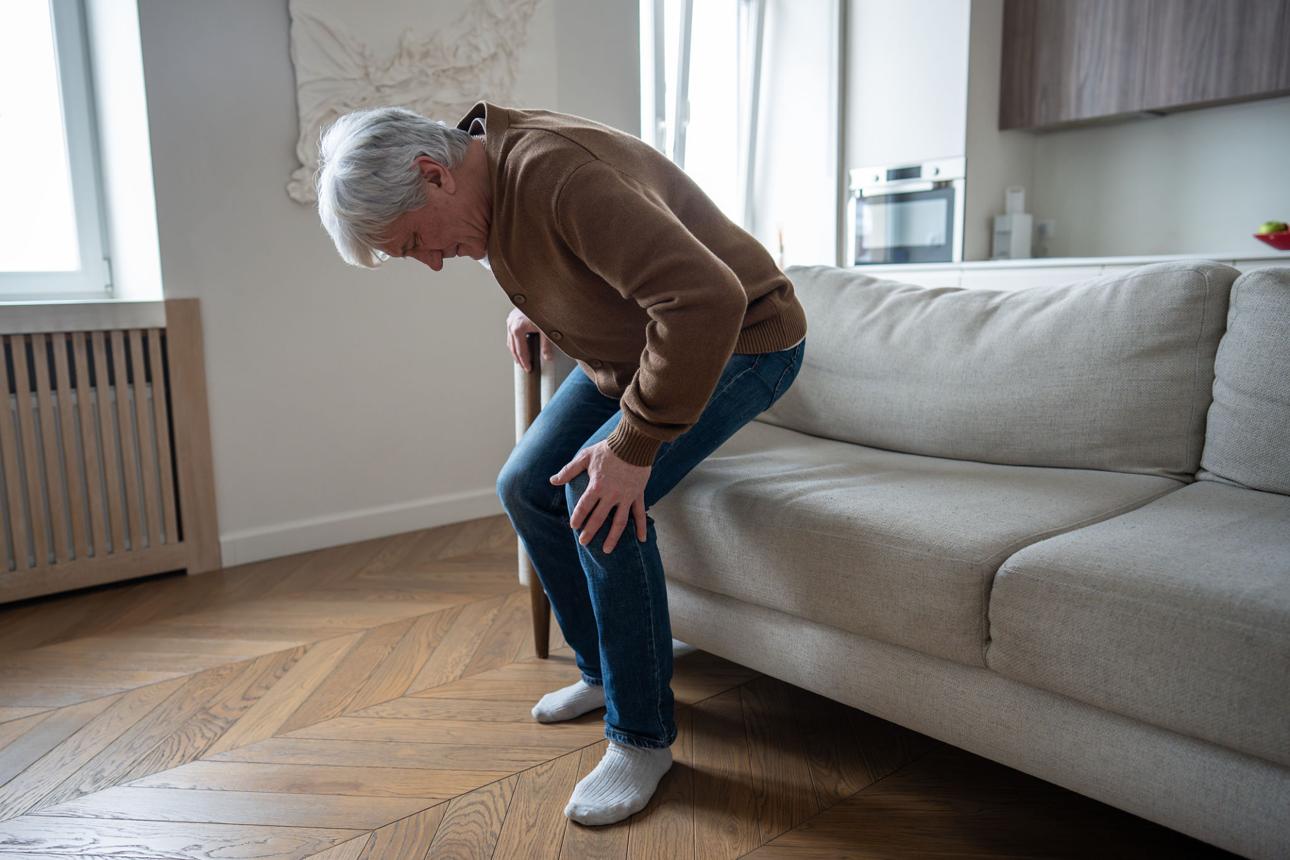
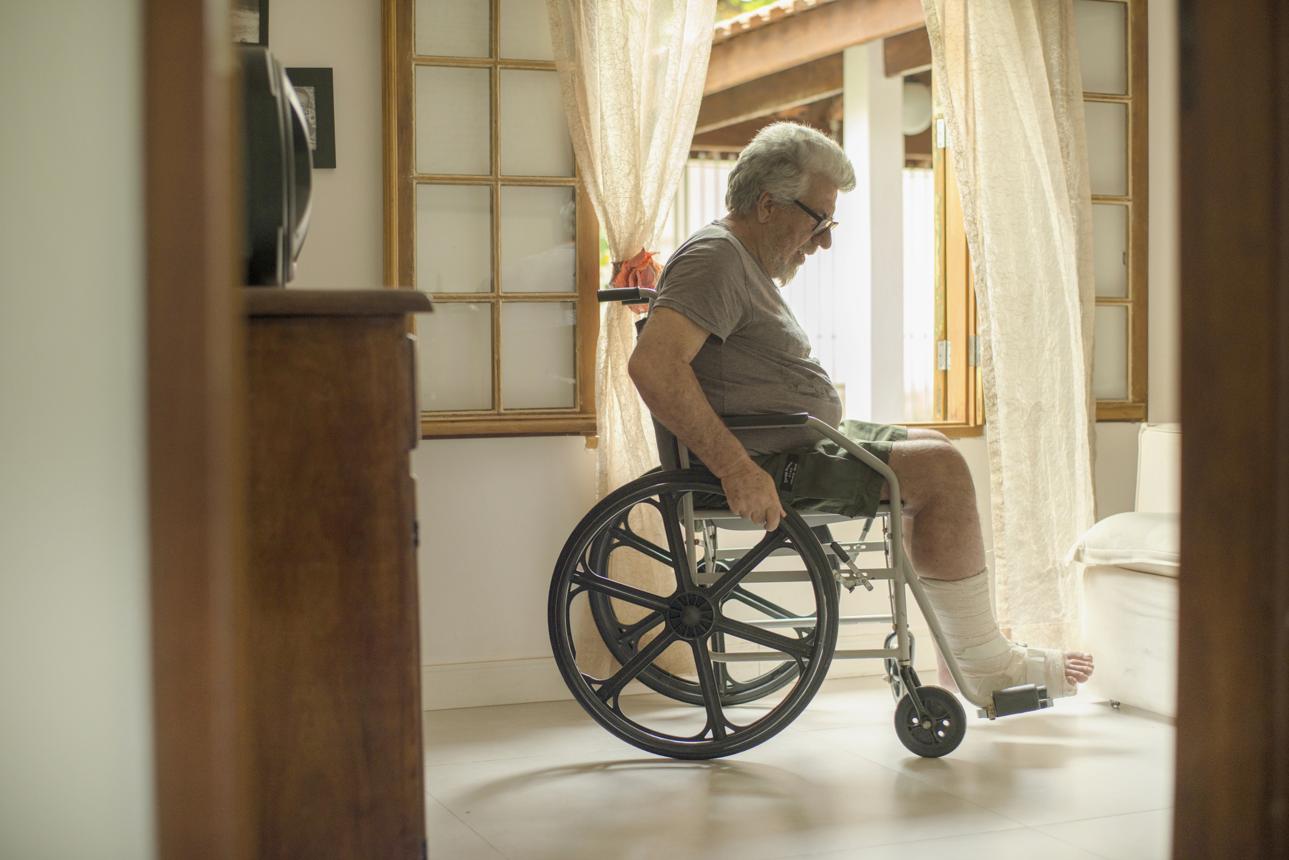
A 64-year-old man was referred by his doctor for personalized yoga therapy to help manage his diabetes and improve overall mobility. He was dependent on insulin injections twice daily to control his blood sugar levels, yet he still experienced occasional fluctuations in glucose levels. In addition, he had restricted body movements and frequently suffered from leg cramps due to poor venous circulation.
As Diabetes can damage blood vessels and nerves, reducing healthy blood circulation in the legs. Poor venous flow may cause cramps, swelling, heaviness, numbness, slow healing, and fatigue in the legs and feet. High blood sugar also weakens vein function and muscle activity, making blood return to the heart less efficient.
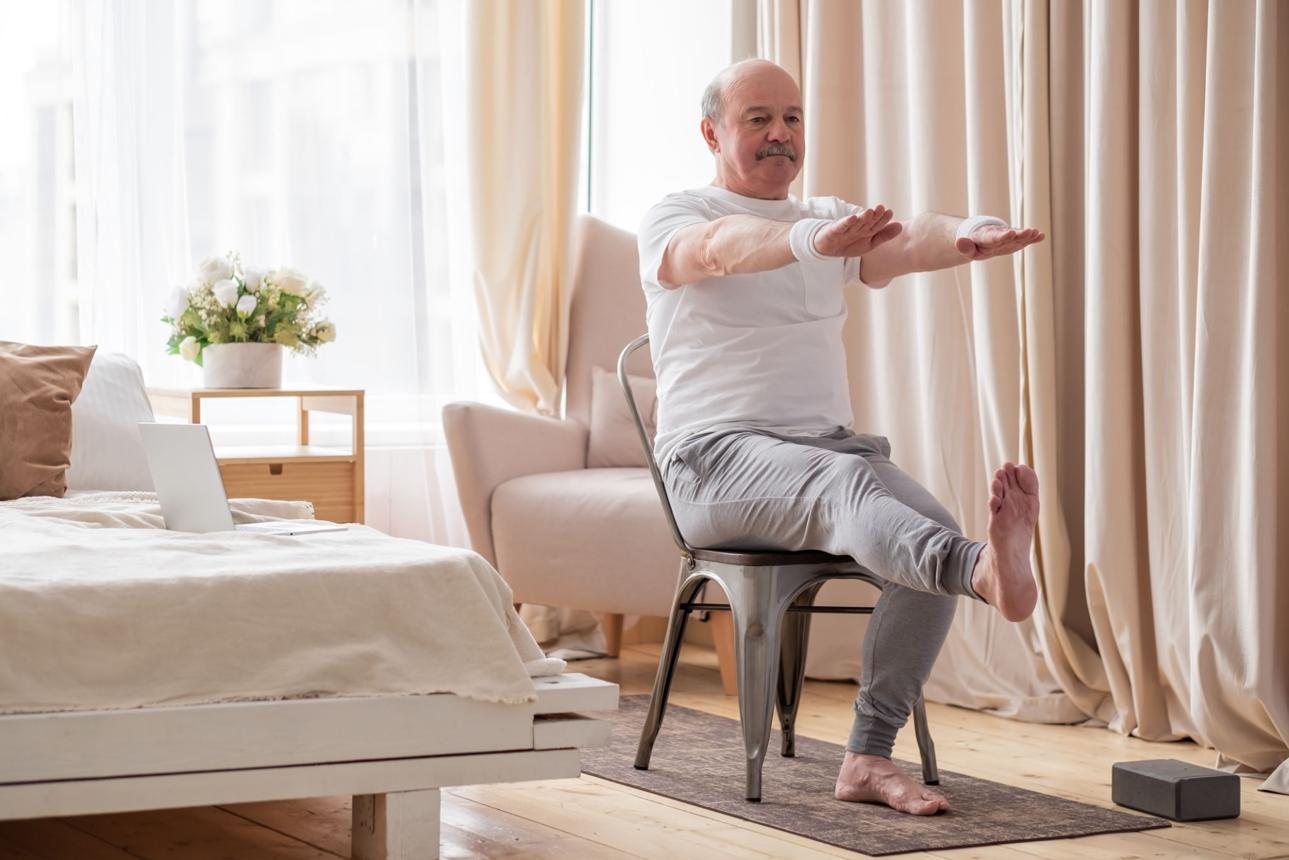
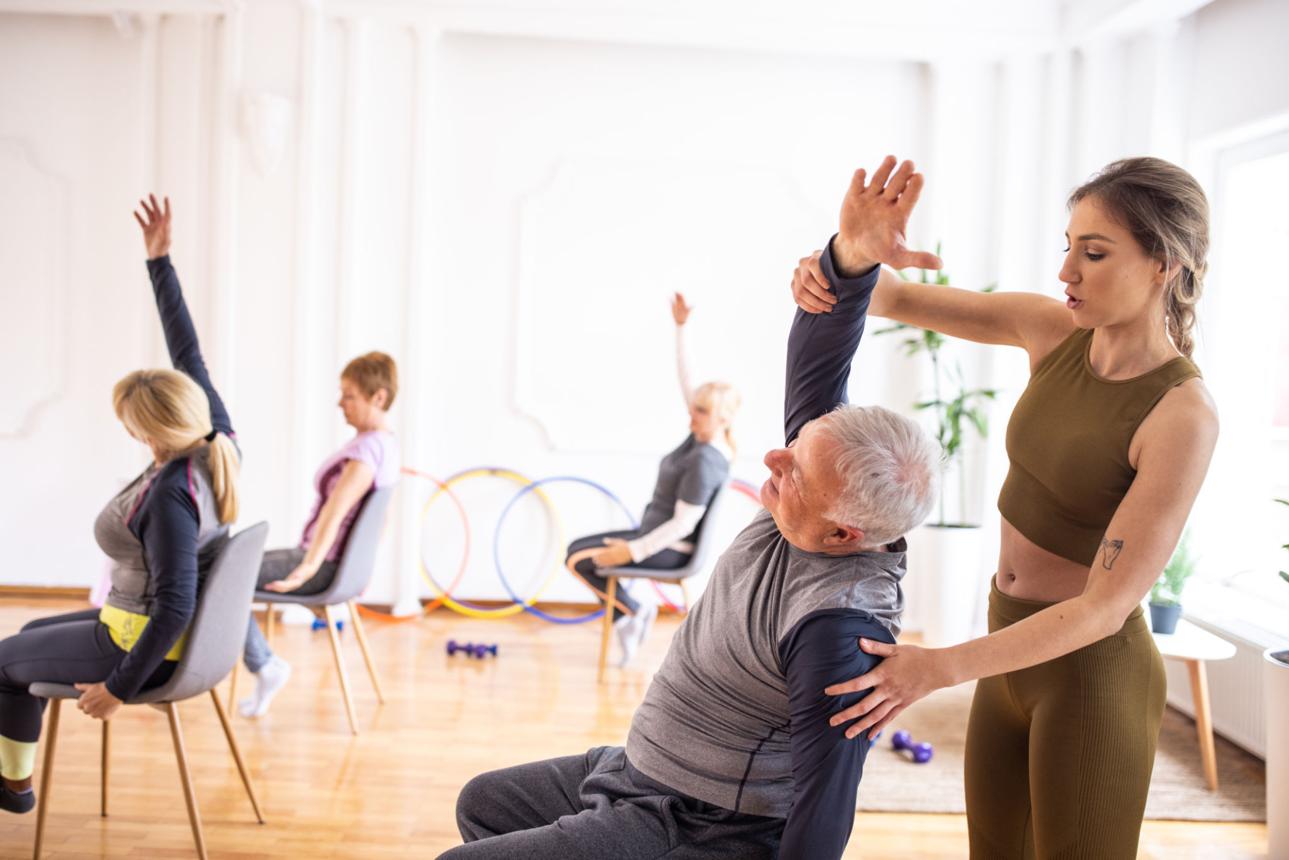
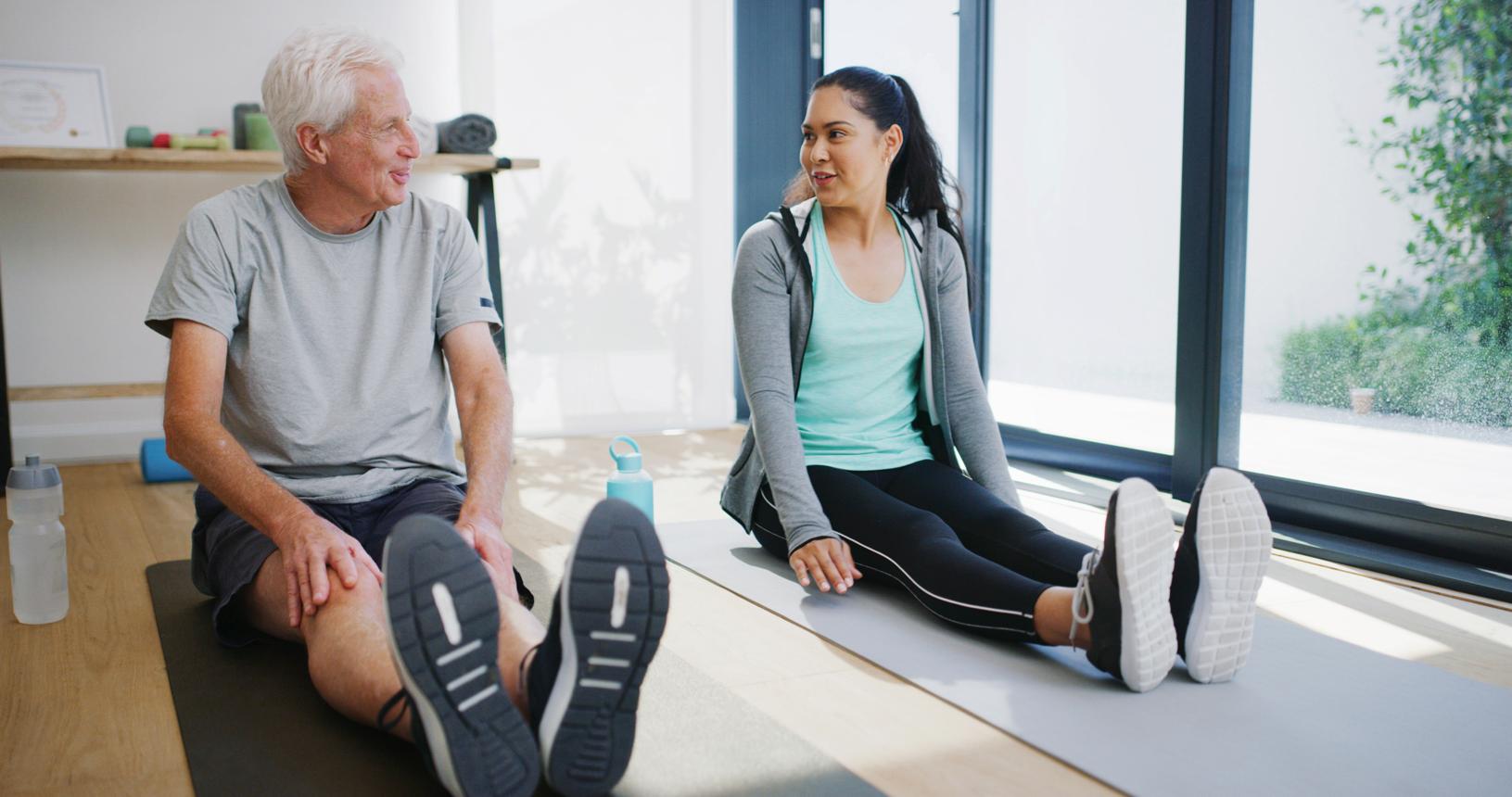
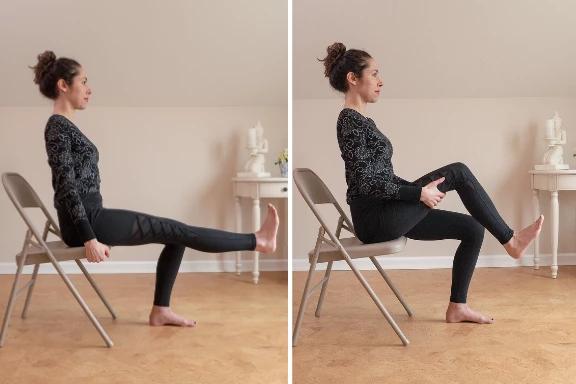
Considering his condition and physical limitations, the yoga sessions began with gentle conditioning practices, warm-ups, and chair-supported movements. The primary focus was on improving circulation, enhancing joint mobility, and gradually building strength and flexibility without causing strain.
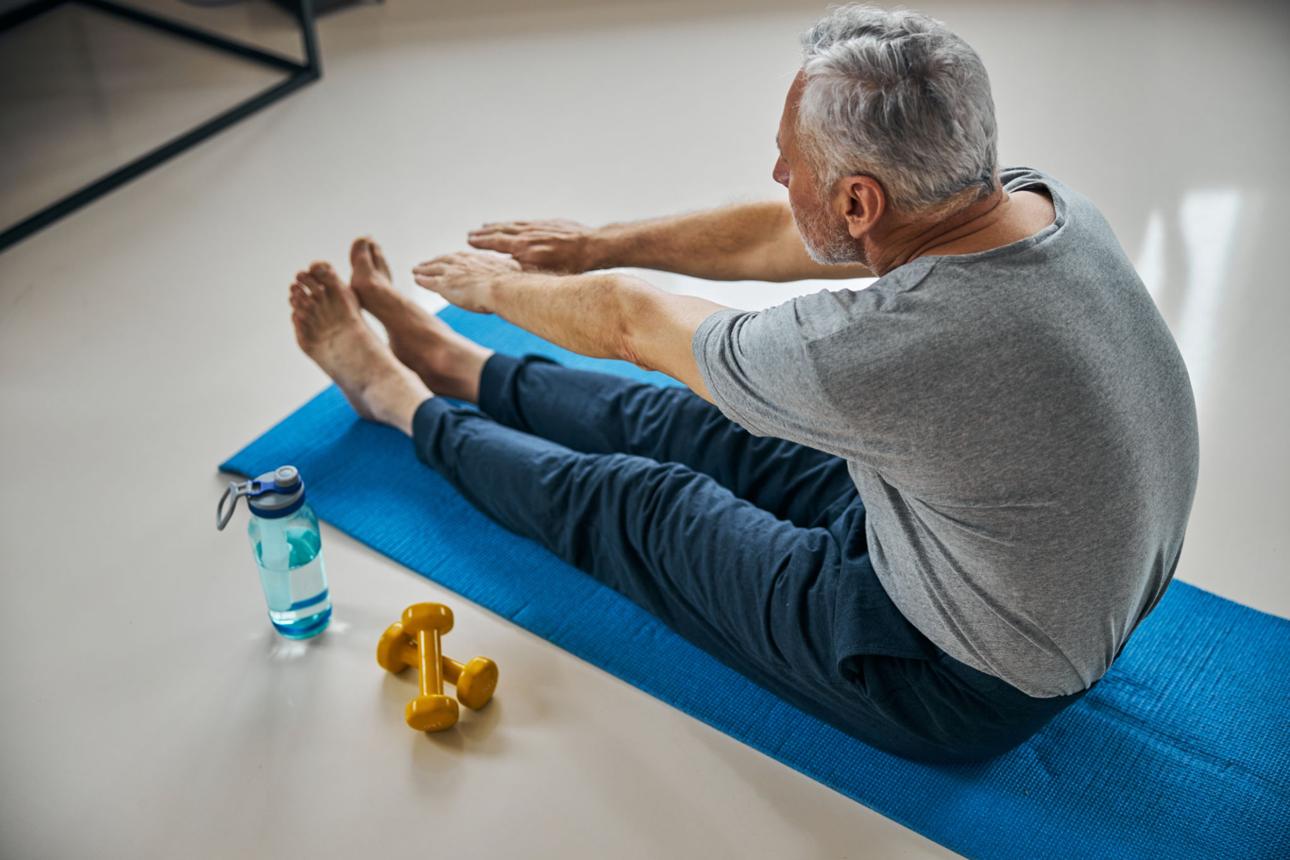
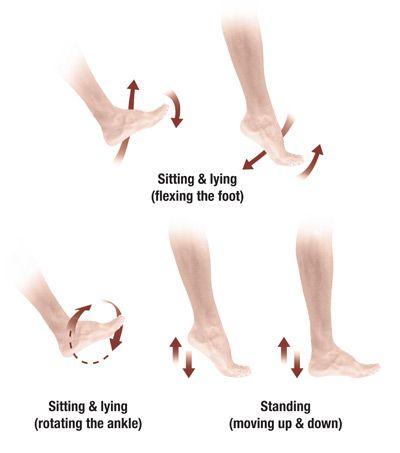
Special attention was given to lower body movements to improve blood flow in the legs. Practices included toe and heel movements, forward and backward leg movements, ankle and toe rotations, knee rotations, and hip joint rotations. Gentle spinal movements such as half forward bending, backward bending, lateral stretches, and twisting movements were also incorporated to improve spinal flexibility and overall mobility.
Gradually, a series of asanas were introduced, including , tadasana, Trikonasana I & II, Veerabhadrasana I & II, Baddha Konasana, Paschimottanasana, Modified Ardha Matsyendrasana, Bhujangasana, Shalabhasana and its variations, Setu Bandhasana, Supported Viparitakarani, Pavanamuktasana, Supta Vakrasana, and both standing and sitting Vakrasana practices.
Each session was carefully structured as follows:
Conditioning exercises – 5 minutes
Warm-up practices – 5 minutes
Asana practice – 20 minutes
Kriya – 5 minutes
Relaxation – 5 minutes
Pranayama – 10 minutes
Meditation – 10 minutes
Pranayama and meditation played a significant role in reducing stress and calming the nervous system, which further supported better regulation of blood sugar levels. Regular yoga practice also improved circulation, reduced stiffness, enhanced mobility, and helped relieve leg cramps.
Conclusion
With consistent and guided yoga practice, the participant experienced noticeable improvement in his overall health and well-being. Over time, his blood sugar levels became more stable and better regulated. He also developed improved flexibility, better circulation, reduced muscular stiffness, and greater ease in movement. This case study highlights how a well-designed yoga program, combined with relaxation, pranayama, and meditation, can serve as an effective complementary approach in managing diabetes and improving quality of life in older adults with limited mobility.
Practice, progress and wellness moments.

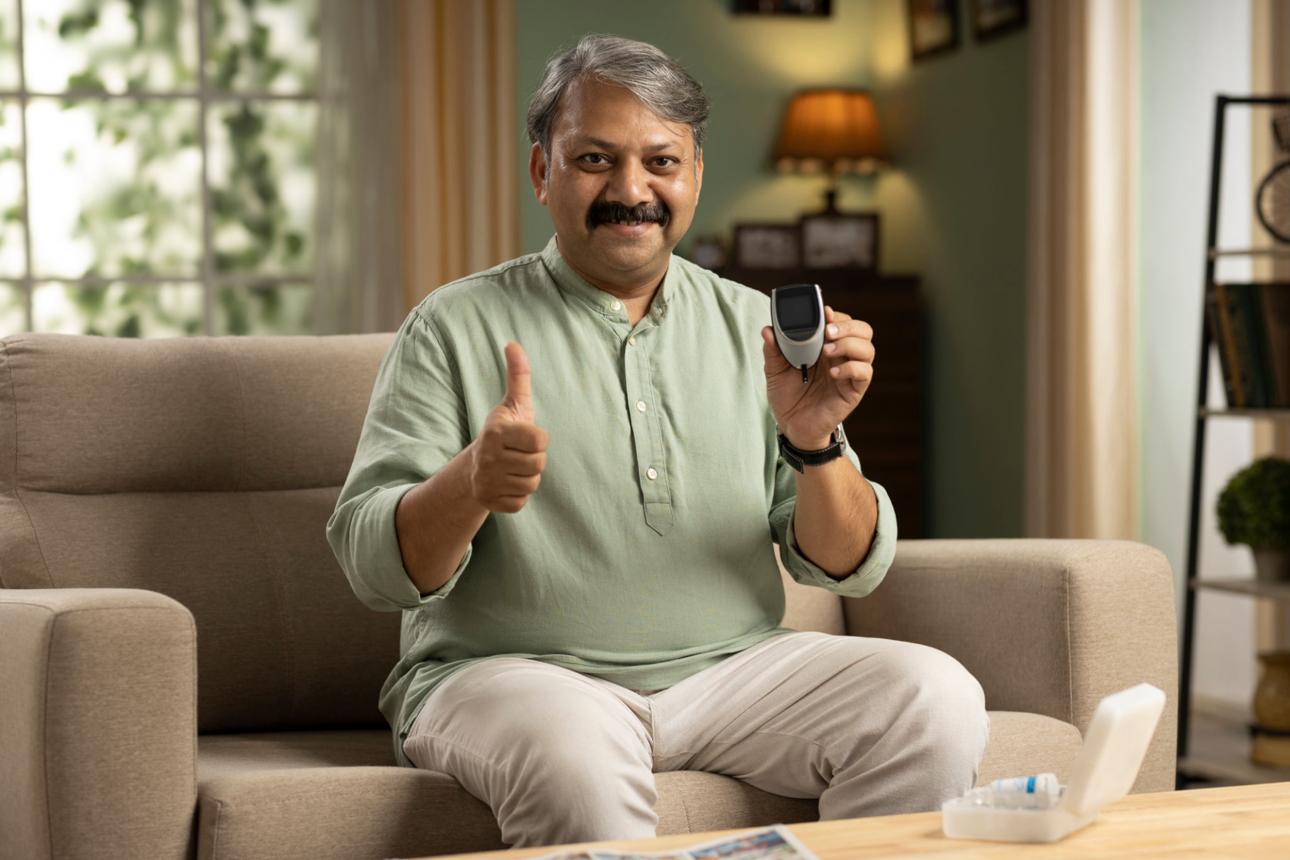
“Improved blood sugar stability, circulation, flexibility and mobility.”
— Case Study 5 wellness outcome summary